Small businesses and growing teams face a version of the office furniture decision that larger enterprises rarely have to think about: every purchase needs to earn its place in a limited budget while still holding up as the company scales. Furnishing a first office, or expanding into a larger one, is an opportunity to build a workspace that supports productivity today without locking the business into decisions that won't fit next year's headcount.
This guide focuses on prioritizing purchases, deciding where to invest versus where to save, and building in enough flexibility that the furniture can grow with the business rather than being replaced wholesale.
Prioritizing What to Buy First
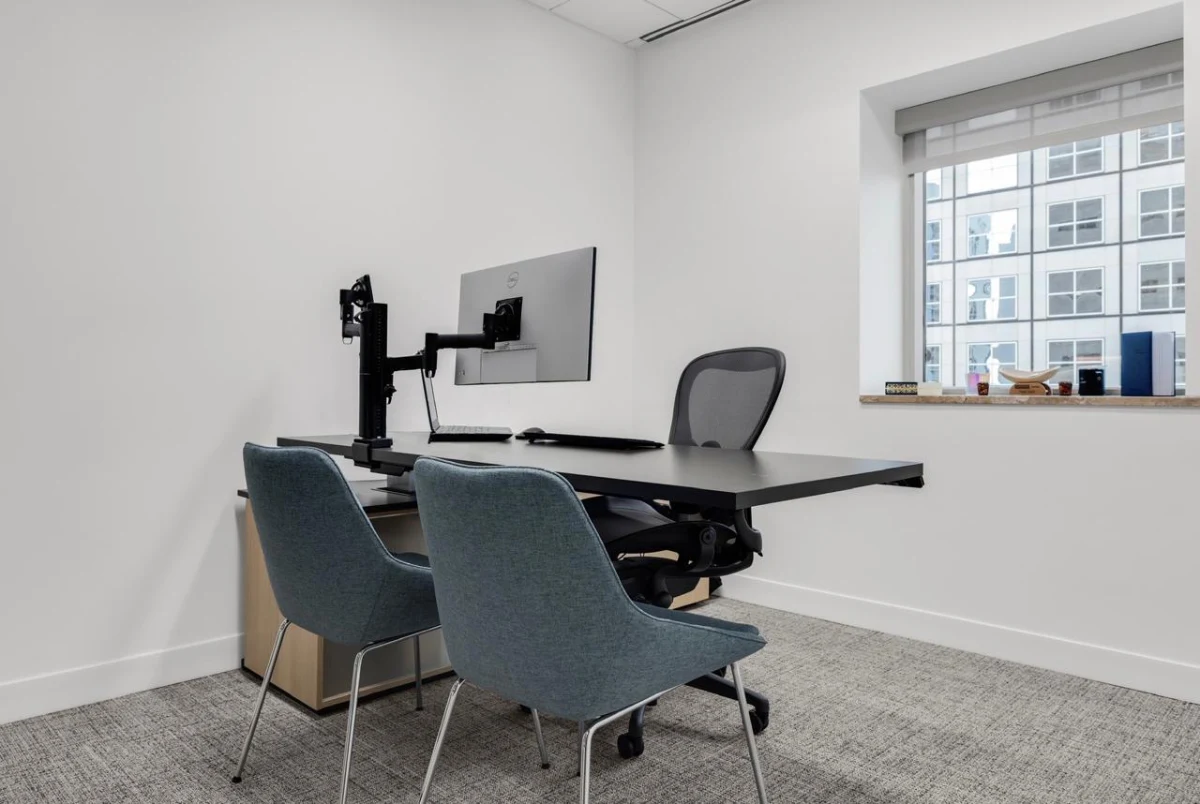
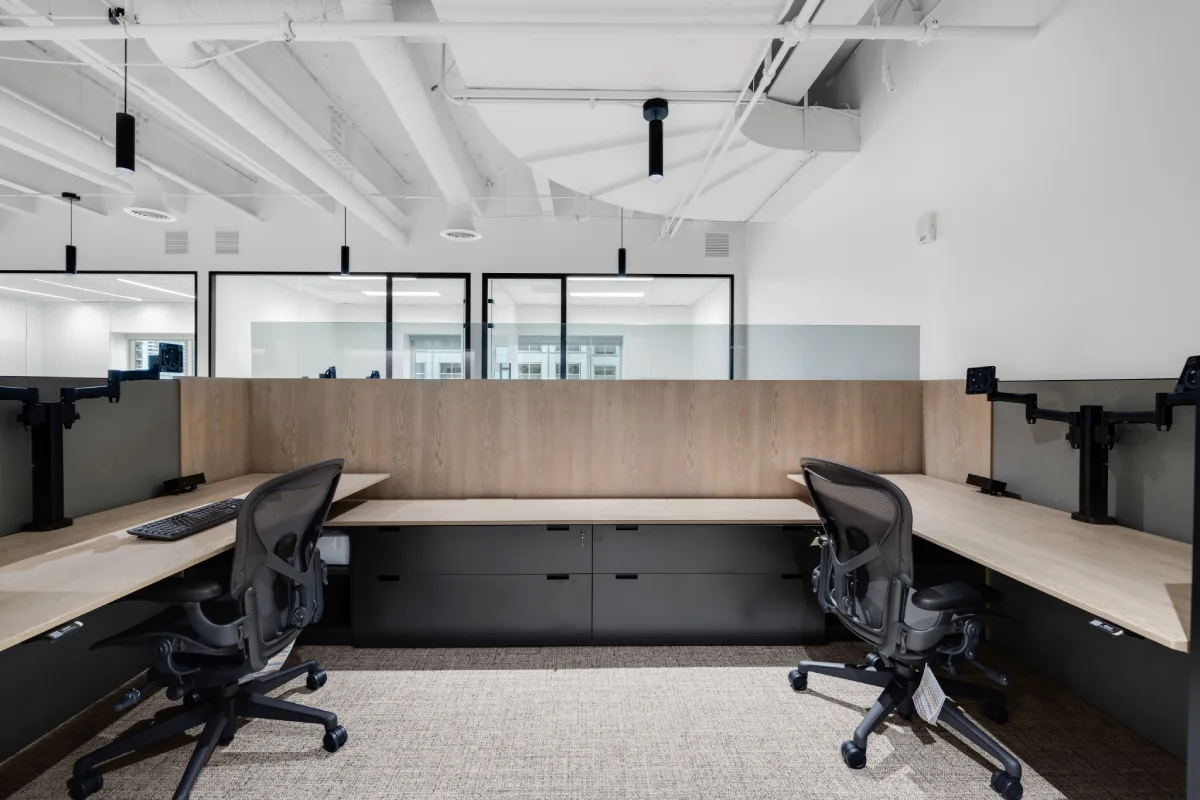
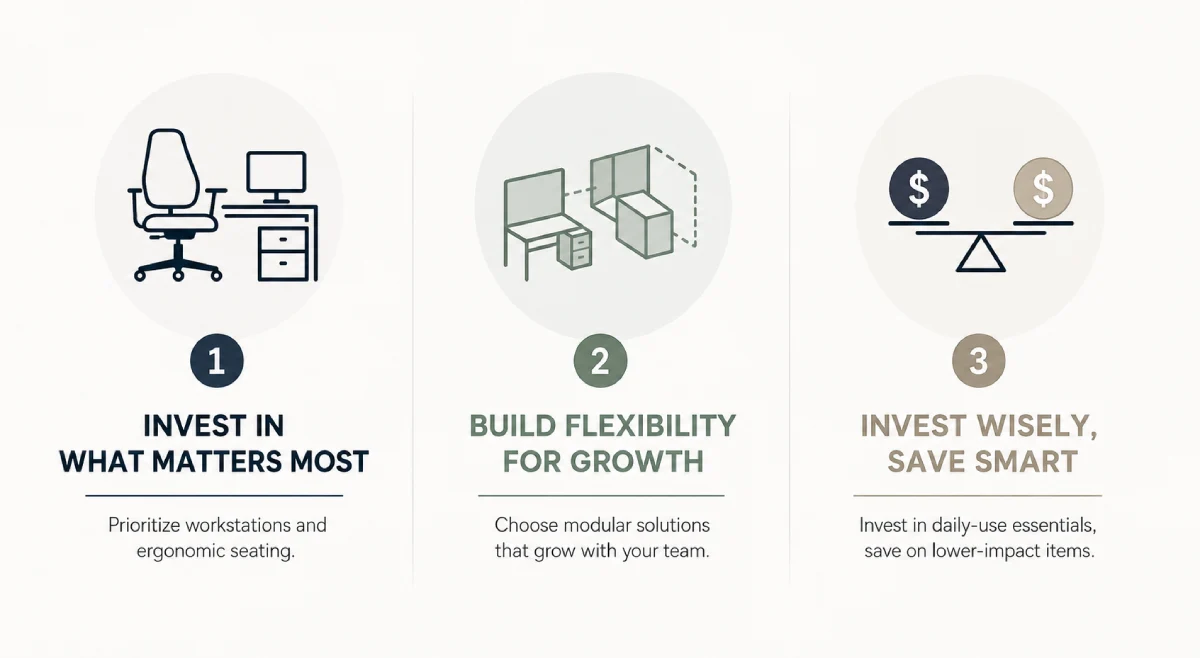
Workstations and ergonomic seating should come first in almost every small business furniture plan, since employees spend the bulk of the workday at these two pieces. Collaborative furniture, additional storage, and accent pieces can often be phased in as the team grows and budget becomes available, rather than purchased all at once before the business has a clear sense of how the space will actually be used.
Where to Invest vs. Where to Save
Ergonomic task seating and core workstations are worth the higher end of the budget, since poor ergonomics directly affects employee health, comfort, and productivity over a full workday. Secondary furniture, such as occasional seating in a break room or accent pieces in a small lounge area, sees far less daily wear and is a more reasonable place to save without compromising the employee experience where it matters most.
Modular Workstations for Growing Teams
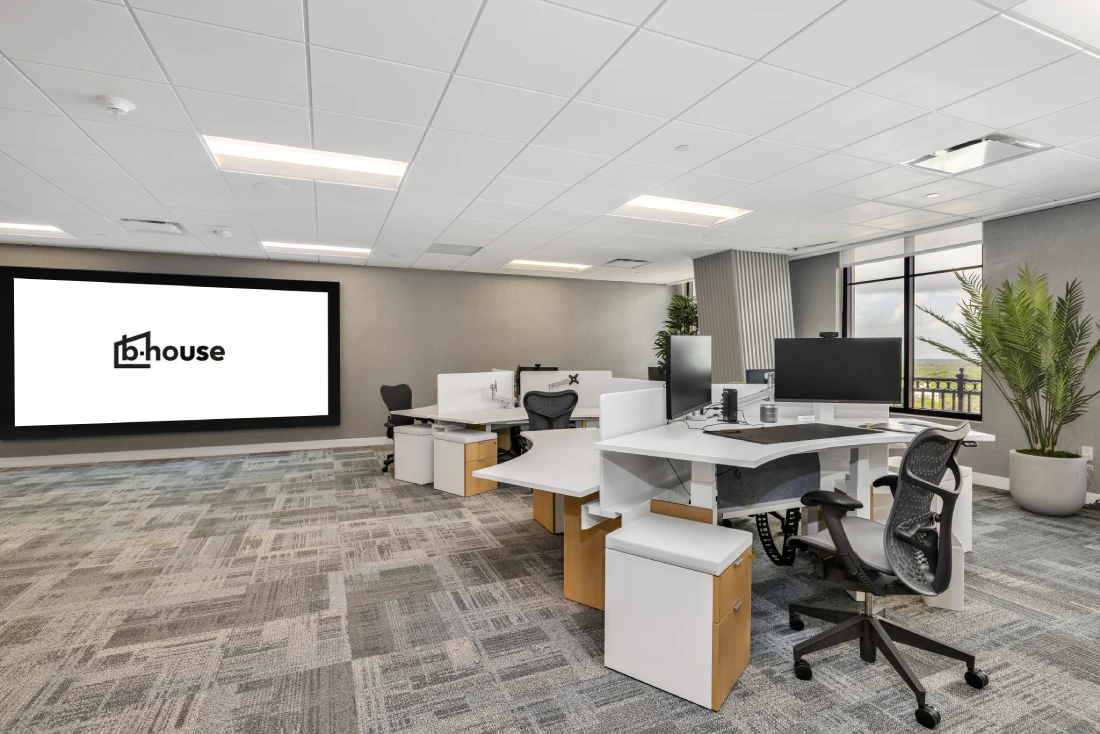
Modular systems furniture allows a small business to reconfigure desking as headcount changes, adding or rearranging workstations without replacing the entire setup. AIS is a strong fit here, since its efficient production model and quick-ship programs mean a growing team can add workstations on relatively short notice rather than waiting months for a furniture order to catch up with hiring.
Ergonomic Seating
Ergonomic task chairs reduce the risk of repetitive strain and discomfort over long workdays, which matters for both employee wellbeing and retention. Friant offers commercial-grade ergonomic seating positioned for cost-conscious buyers, making it a practical choice for small businesses that want quality seating without premium-tier pricing.
Collaborative Spaces and Efficient Storage
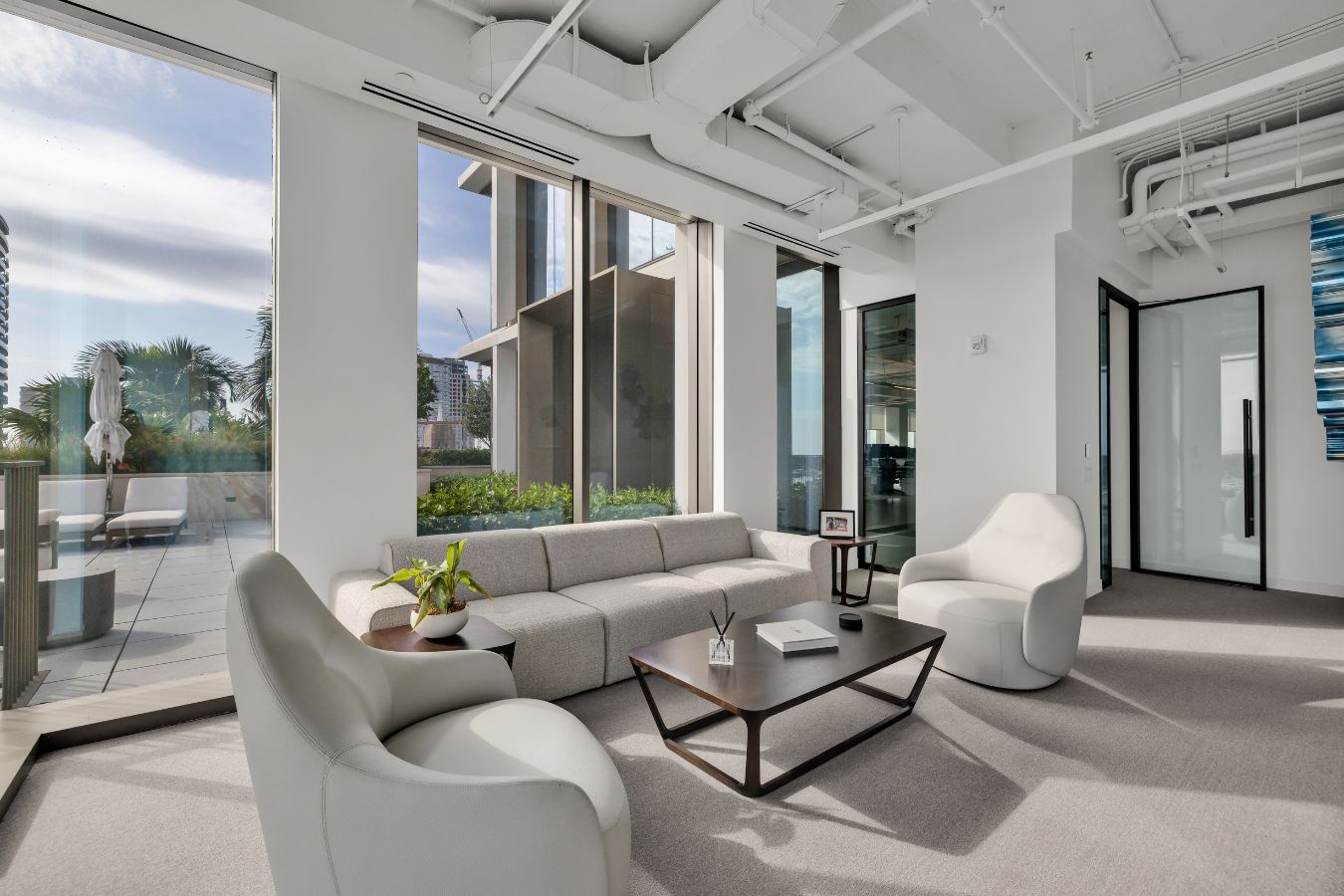
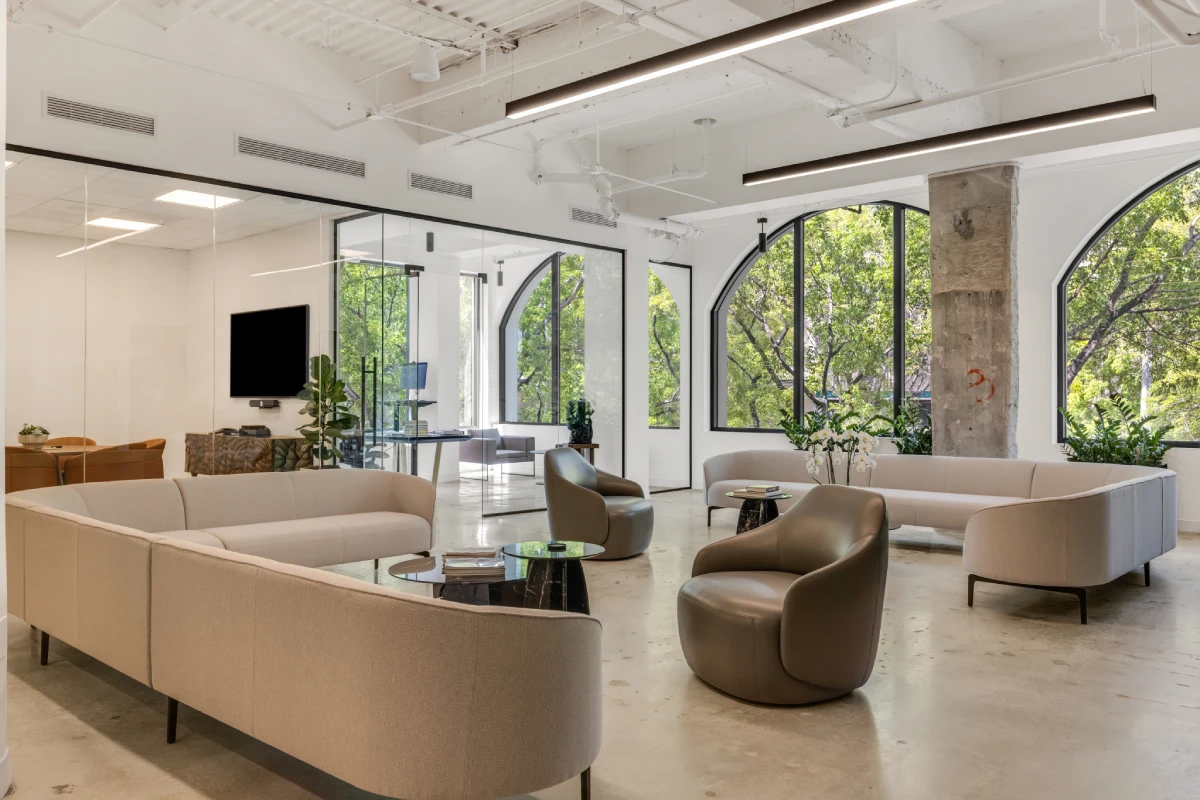
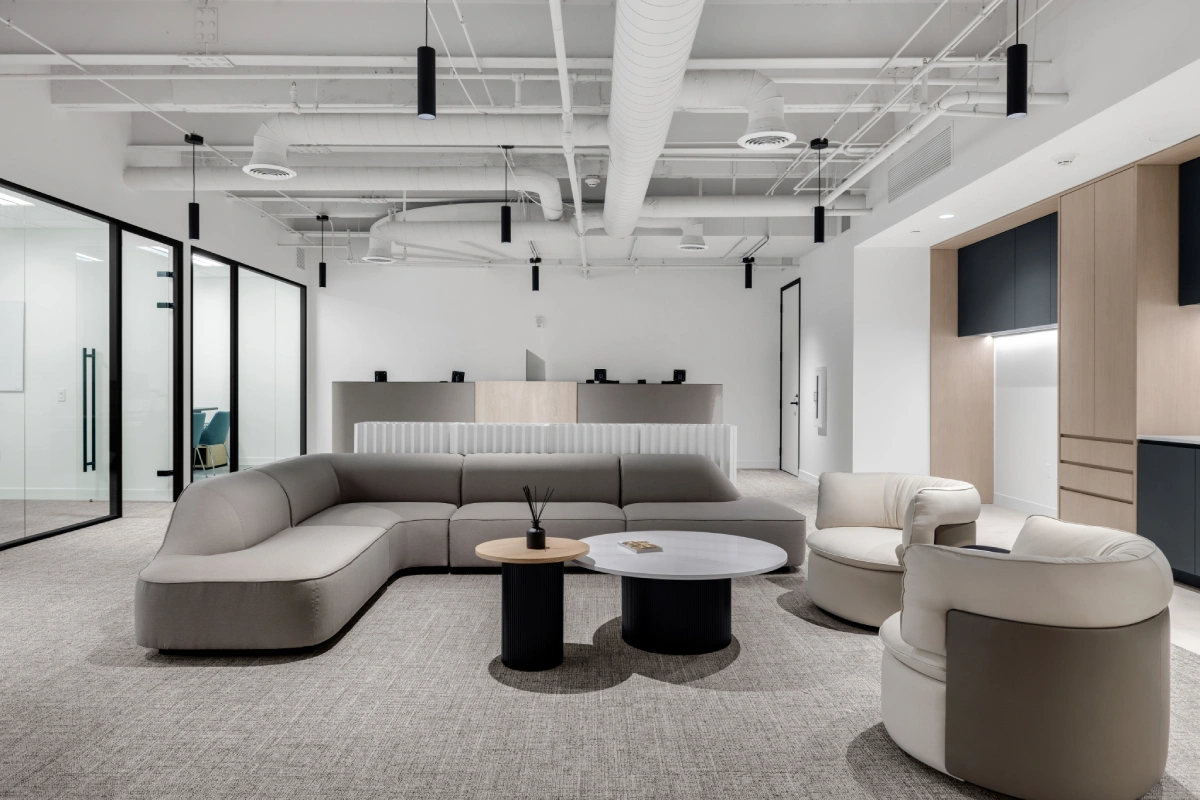
Small huddle spaces, mobile whiteboards, and flexible shared tables let a growing team collaborate without dedicating a full conference room to every meeting, which matters when square footage is limited. Kfi Studios offers flexible, budget-conscious furniture well suited to these informal collaborative spaces, and space-efficient storage, such as mobile pedestals and wall-mounted shelving, helps maximize a compact office footprint without crowding the workstations themselves.
Small Business Furniture Priorities
| Furniture Category | Priority Level | Budget Guidance | Example Manufacturer |
|---|---|---|---|
| Workstations | High | Invest | AIS |
| Ergonomic Seating | High | Invest | Friant |
| Collaborative Furniture | Medium | Moderate | Kfi Studios |
| Storage | Medium | Save where possible | AIS |
B.House Solution
B.House helps small businesses and growing teams stretch their furniture budget further by pairing efficient, quick-ship manufacturers such as AIS, Friant, and Kfi Studios with a furniture plan built around near-term needs and future headcount growth.
Frequently Asked Questions
- How much should a small business budget for office furniture per employee?
- Budgets vary widely based on the mix of workstations, seating, and collaborative furniture selected, but a useful approach is to prioritize the per-employee cost of a workstation and ergonomic chair first, then layer in shared collaborative and storage furniture as a separate, smaller line item spread across the whole team rather than per person.
- Should I buy new or used furniture when starting out?
- New furniture from value-tier manufacturers can often match the cost of used premium furniture while coming with a full warranty and consistent finish, which makes it worth comparing both options against the specific pieces being considered rather than assuming used furniture is automatically the cheaper path.
- How do I plan furniture purchases around future growth?
- Modular workstations and furniture systems that can be reconfigured or expanded are the most reliable way to plan for growth, since they let a business add capacity in stages rather than committing to a fixed layout that may not fit the team in a year or two.
- Is ergonomic seating worth the investment for a small team?
- Yes, ergonomic seating tends to be one of the purchases that pays off most directly, since it affects employee comfort and health over every full workday and is closely tied to both productivity and retention.
- How long does commercial-grade office furniture typically last?
- Commercial-grade workstations and seating from manufacturers like AIS and Friant are generally built to last seven to ten years or more under normal use, though seating tends to show wear sooner than desking and casegoods.
- What furniture should I prioritize if my budget is limited?
- Workstations and ergonomic seating should come first, since they see daily use by every employee, while collaborative furniture, additional storage, and accent pieces can reasonably be phased in later as budget allows.
Ready to build a workspace that fits today and scales with you tomorrow?
Request expert guidance from B.House to select office furniture that fits your business today and scales with you tomorrow.