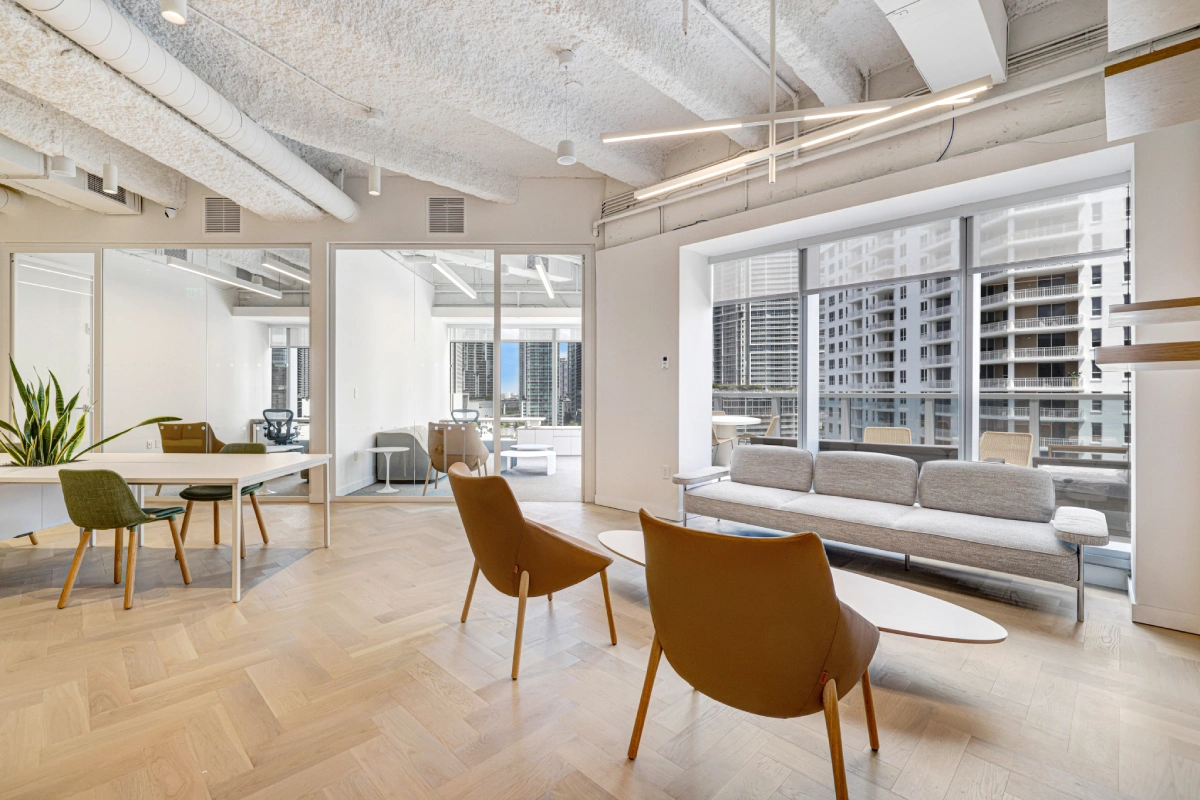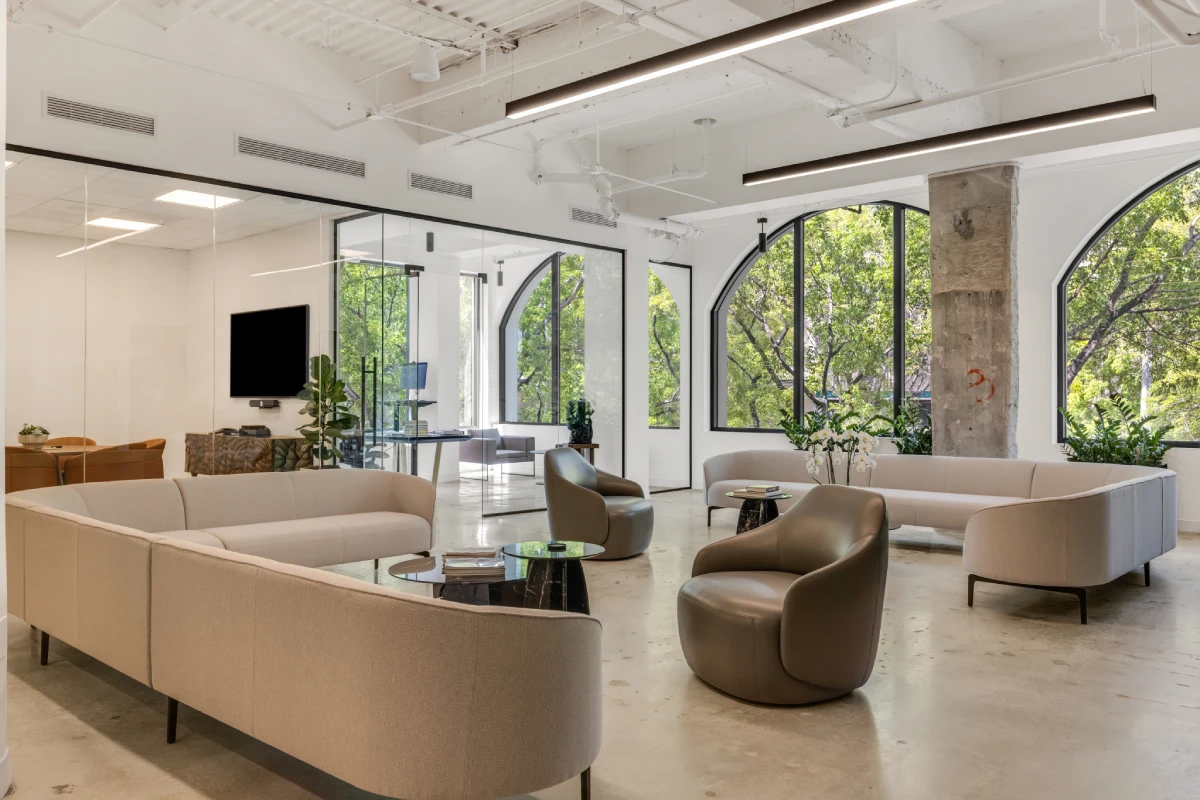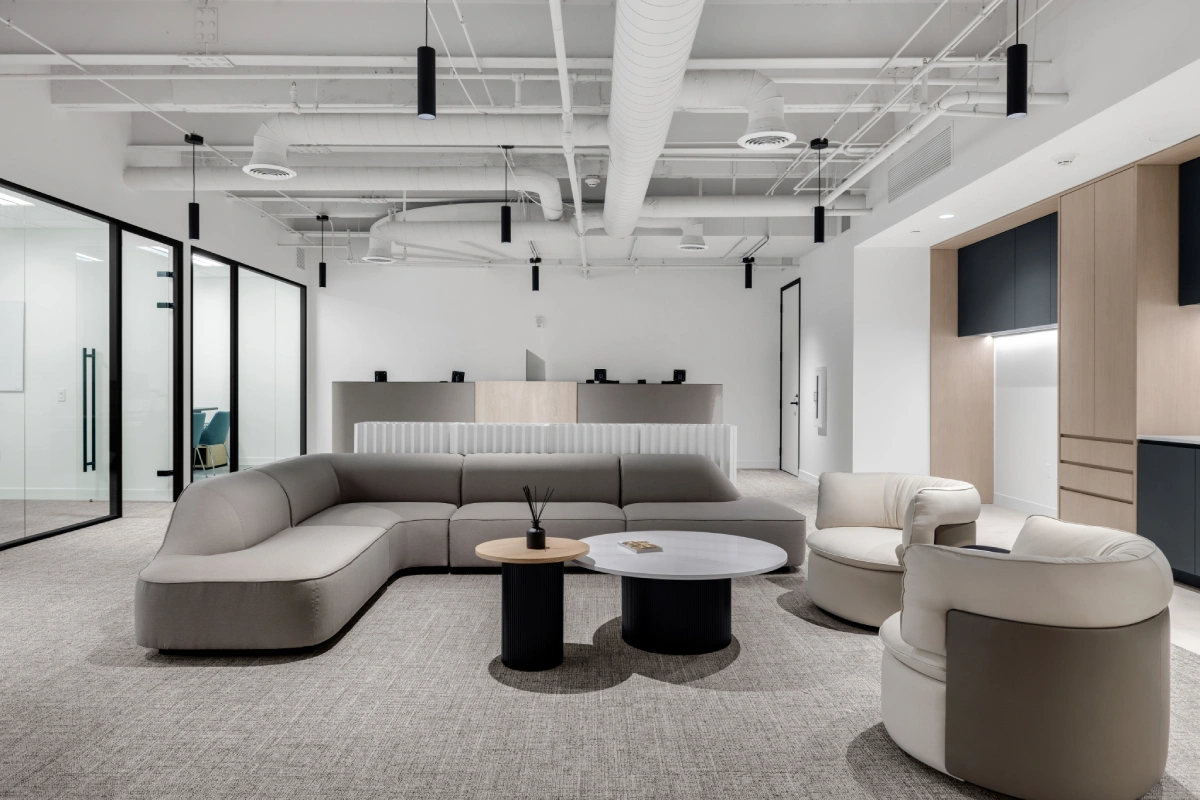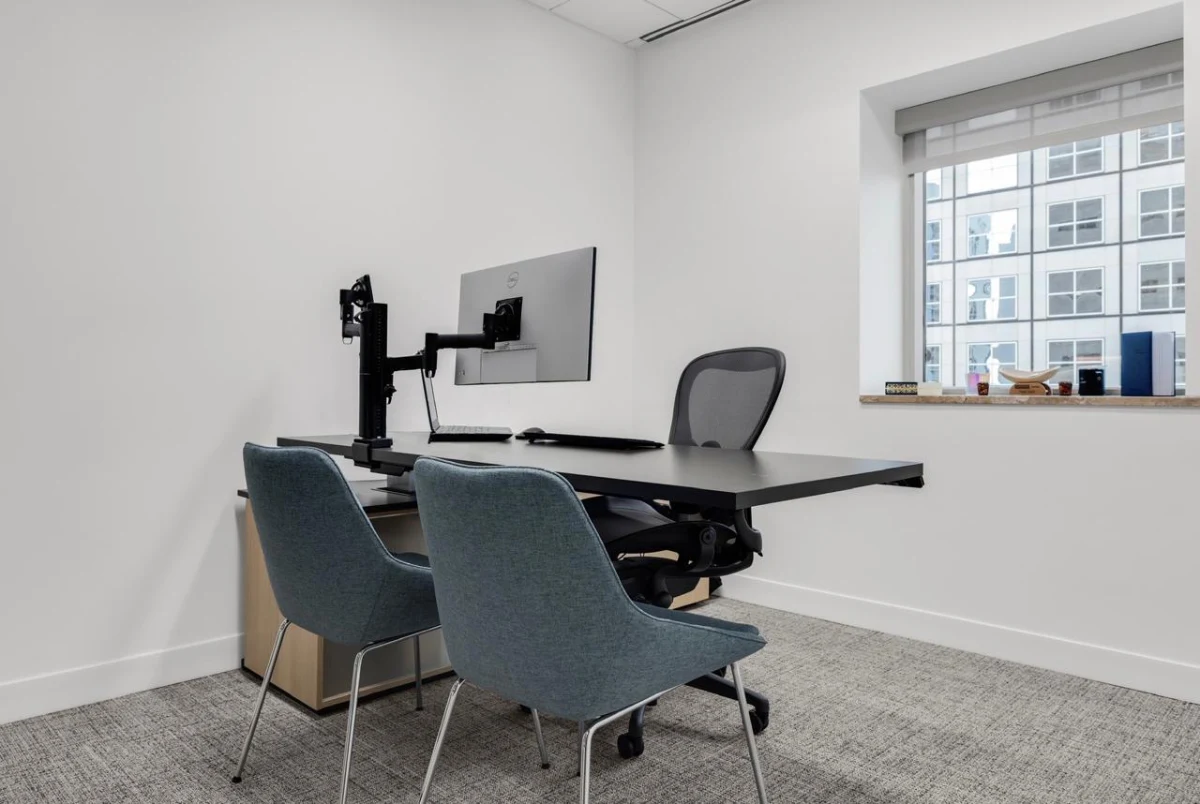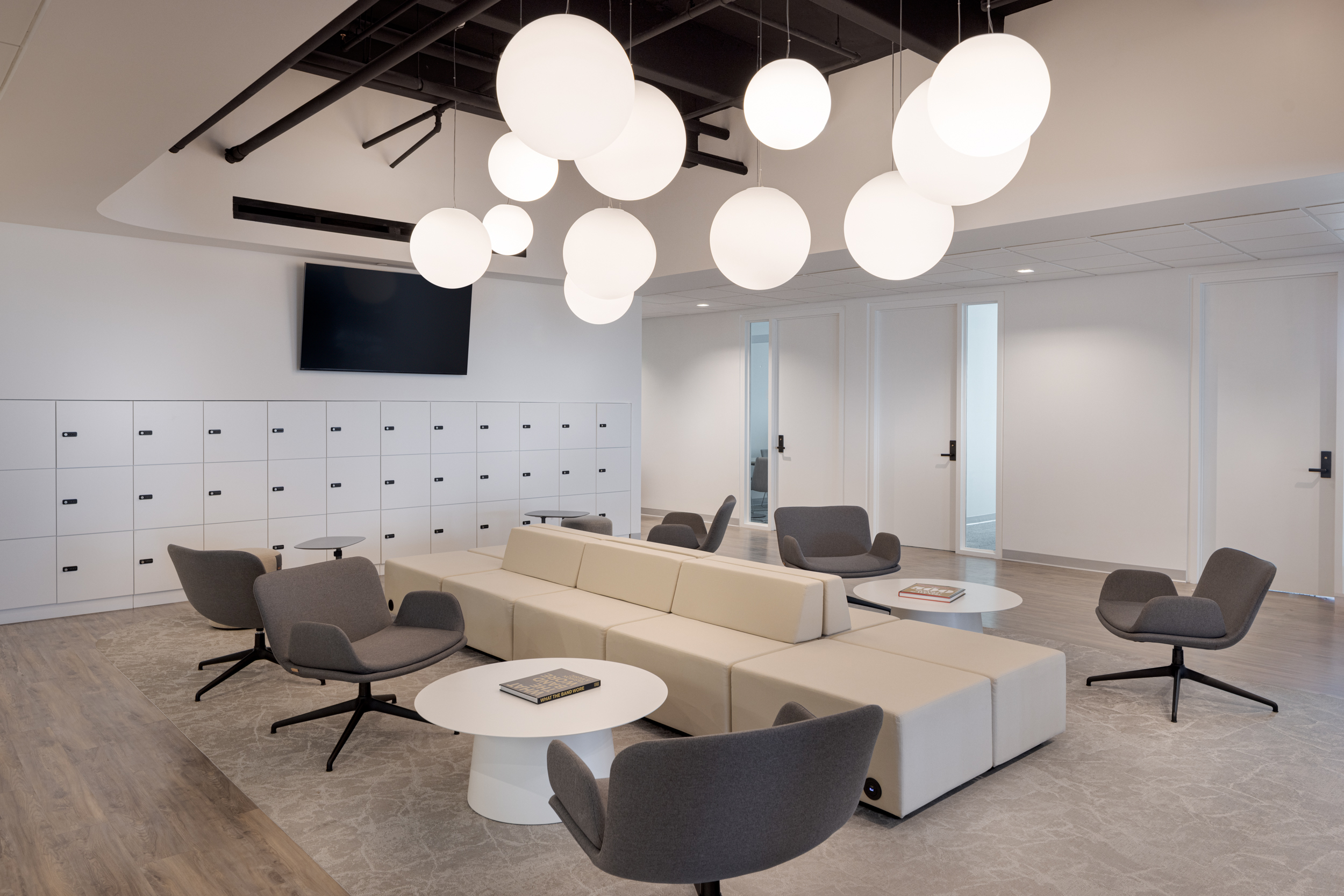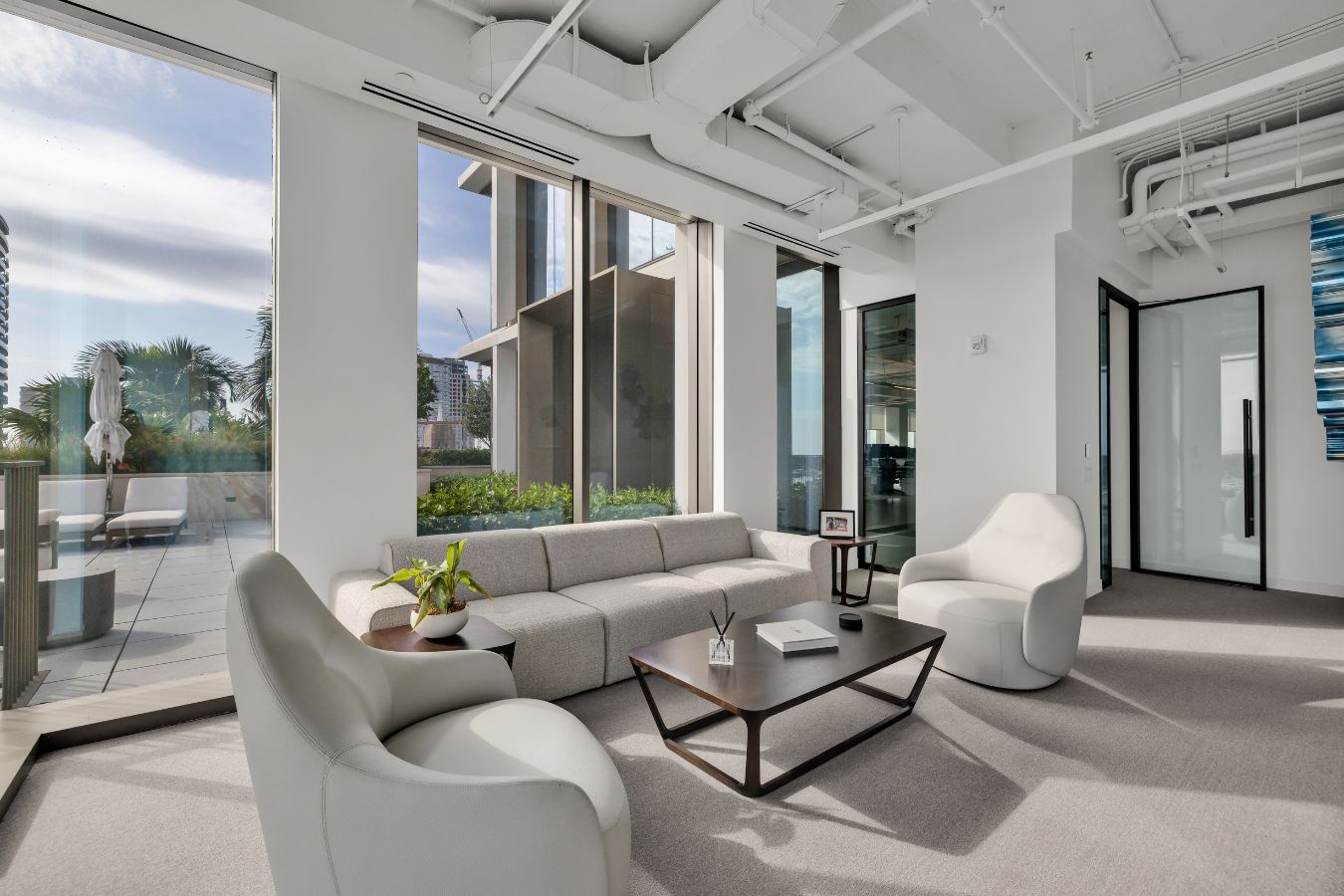
Activity-Based Working, or ABW, replaces assigned desks with a range of settings that employees move between depending on the task at hand, from focused solo work to team collaboration to quiet reflection. The concept itself is well understood by most workplace leaders at this point, but the success of an ABW office depends far more on furniture selection than on the underlying idea, since employees will only move between zones if each one is actually furnished to support what it is meant for.
This guide focuses on how different furniture solutions support each zone in an ABW office, from focus work to social areas, along with practical planning guidance for organizations transitioning to hybrid work.
Furniture for Focus Work
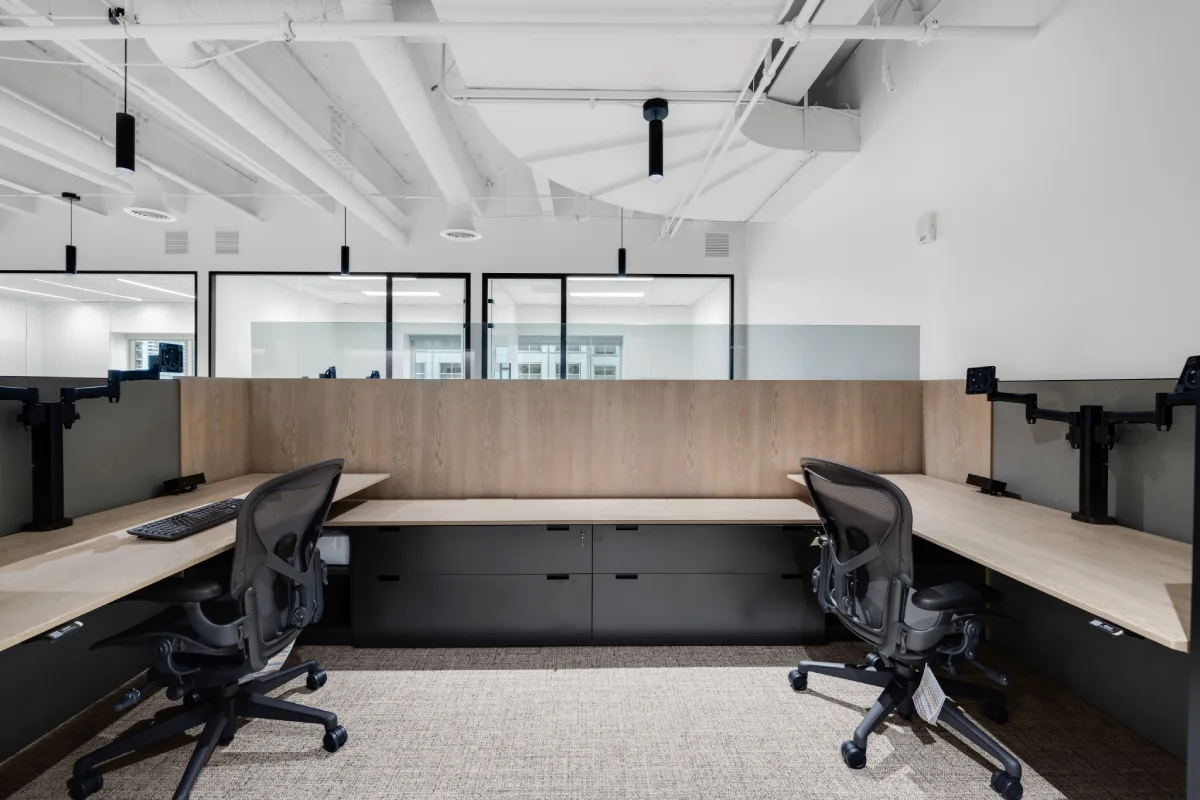
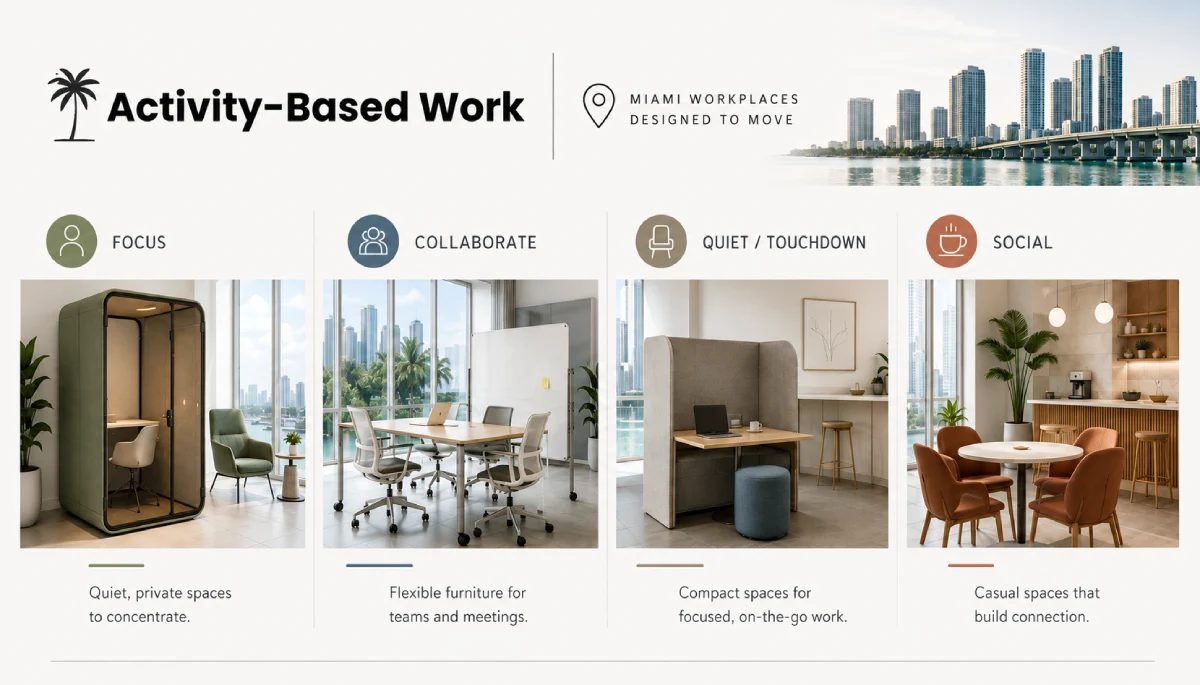
Focus zones need furniture that genuinely reduces distraction rather than simply labeling a corner of the office as quiet space. Acoustic pods, high-back lounge seating with sound-dampening upholstery, and desking with integrated acoustic panels all help create the low-distraction environment that focus work requires. Vitra's acoustic and lounge collections are well suited to organizations building out premium focus environments, since the pieces are designed with both acoustic performance and visual quality in mind.
Furniture for Collaboration and Meetings
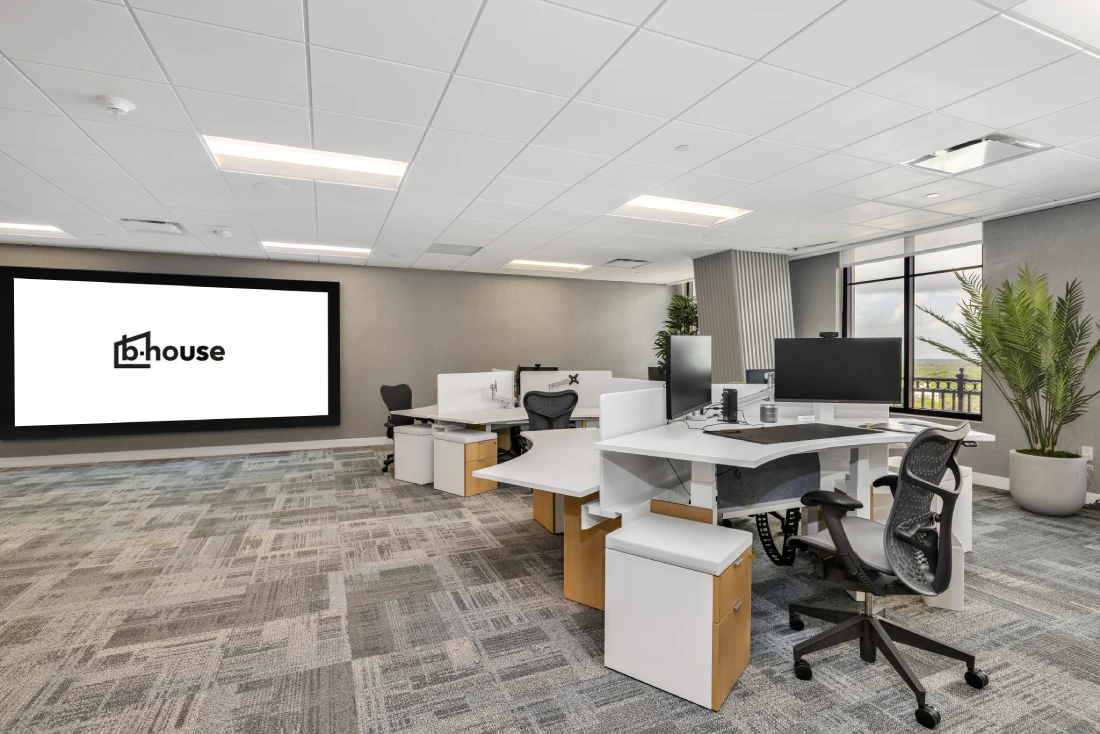
Collaboration zones benefit from flexible tables that can be reconfigured for different group sizes, mobile whiteboards, and modular seating that supports both quick team huddles and more formal meetings. Watson's collaborative and conferencing furniture lines are built around this kind of flexibility, allowing a single space to serve multiple meeting formats throughout the day rather than being locked into one fixed layout.
Quiet Zones and Touchdown Spaces
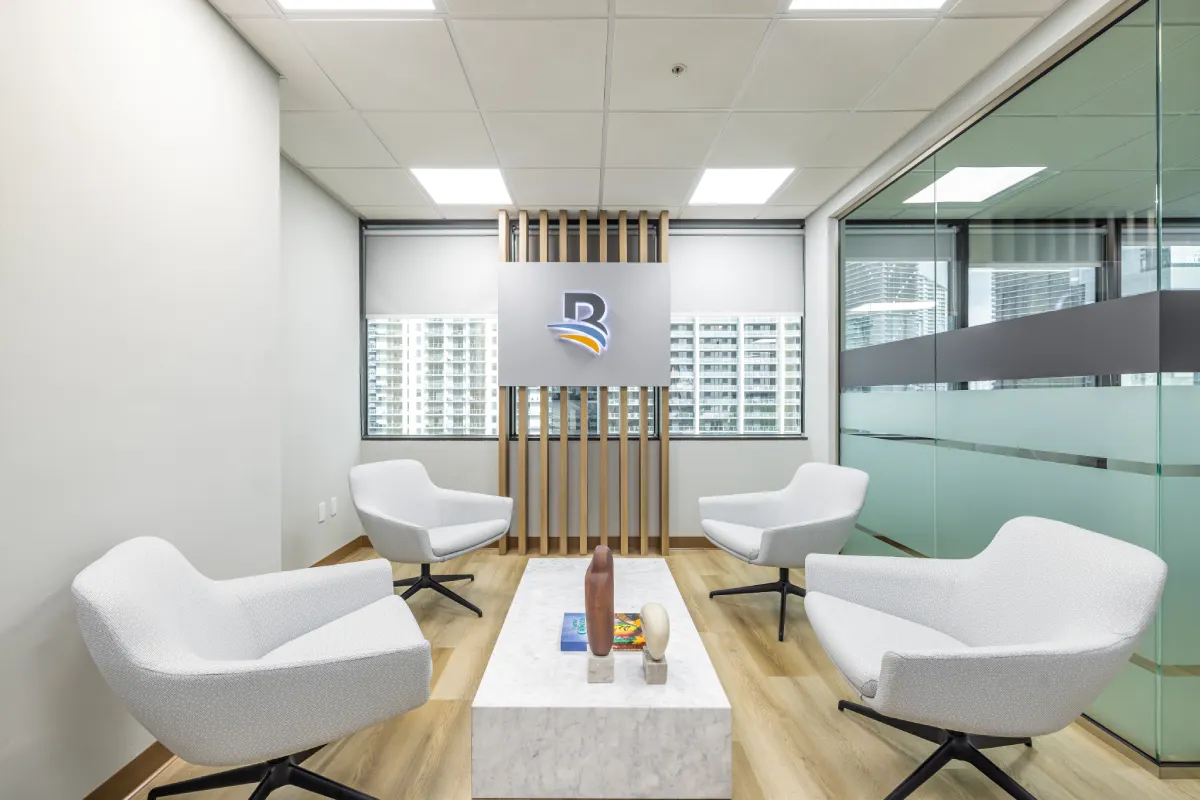
Touchdown spaces support short, unscheduled work sessions, such as checking email between meetings, and typically call for compact furniture that can be used briefly without needing to be reserved. Quiet zones serve a different purpose, supporting longer heads-down tasks in a low-traffic setting. Senator Group offers flexible seating and touchdown furniture suited to both needs, which helps organizations avoid over-building either zone at the expense of the other.
Social Areas
Social areas are easy to underfund in an ABW plan, but informal interaction between employees plays a real role in collaboration and culture, even in a hybrid model. Lounge and café-style furniture that invites people to sit down for a few minutes supports this kind of interaction without requiring a scheduled meeting, and rounds out a well-balanced ABW office alongside focus, collaboration, and quiet zones.
Planning an ABW Transition for Hybrid Teams
Organizations transitioning to ABW get the best results by auditing how teams actually use space before deciding how much square footage to allocate to each zone, rather than guessing based on general assumptions about hybrid work. Phasing furniture purchases across the transition, starting with the zones that will see the heaviest early use, and involving employees in the planning process all help build buy-in and reduce the risk of a zone going unused once the office reopens in its new layout.
ABW Furniture by Work Mode
| Work Mode | Furniture Type | Example Manufacturer |
|---|---|---|
| Focus Work | Acoustic pods, high-back lounge seating | Vitra |
| Collaboration / Meetings | Flexible tables, mobile modular seating | Watson |
| Quiet Zones / Touchdown | Compact touchdown furniture, task seating | Senator Group |
| Social Areas | Café-style and lounge furniture | Vitra, Watson, Senator Group |
B.House Solution
B.House partners with organizations transitioning to Activity-Based Working, drawing on manufacturers such as Vitra, Watson, and Senator Group to furnish focus, collaboration, quiet, and social zones as a single cohesive workplace strategy rather than a set of disconnected purchases.
Frequently Asked Questions
What is Activity-Based Working furniture?
Activity-Based Working furniture refers to the range of settings, including focus pods, collaborative tables, touchdown spaces, and social lounge areas, that together allow employees to choose a workspace based on the task they are doing rather than sitting at one assigned desk all day.
How do I zone an office for Activity-Based Working?
Zoning typically starts with auditing how teams currently use space and what tasks take up most of the workday, then allocating square footage across focus, collaboration, quiet, and social zones in proportion to that actual usage rather than an even split.
What furniture works best for focus work in an ABW office?
Acoustic pods, high-back lounge seating with sound-dampening upholstery, and desking with integrated acoustic panels all support the low-distraction environment that focus work requires.
What is the most common mistake companies make when planning ABW furniture?
The most common mistake is over-allocating open collaborative space while under-providing quiet and focus space, since many employees report needing more quiet space, not less, once they experience an open ABW layout day to day.
How do you measure whether an ABW furniture strategy is working after implementation?
Organizations typically track space utilization data, gather direct employee feedback, and conduct periodic space audits to see whether each zone is being used as intended, then adjust furniture allocation in underused or overcrowded zones accordingly.
Is Activity-Based Working furniture more expensive than traditional office furniture?
Not necessarily, since ABW often reduces the total number of assigned desks needed and redirects that budget toward a smaller number of well-furnished shared zones, which can offset or even lower total furniture spend compared to a fully assigned-desk layout.
Next Steps
Consult with B.House's workplace specialists to develop a customized Activity-Based Working furniture strategy suited to your teams, space, and hybrid work model.