Data-Driven Office Planning
Space utilization has become the most powerful risk-management tool available to corporate real estate and operations teams. In hybrid workplaces especially, perception rarely matches reality.
Offices feel empty and overcrowded at the same time. Meeting rooms appear booked but sit unused. Without data, every decision is a gamble.
01 Why Assumptions Fail in Hybrid Work
Pre-2020 office planning relied heavily on headcount ratios. Today, attendance fluctuates daily. When organizations design for averages only, they frustrate employees during high-attendance periods.
Space utilization studies reveal:
- When people come in.
- Where they actually sit.
- How long spaces are occupied.
- Which zones remain underused.
02 What Utilization Really Measures
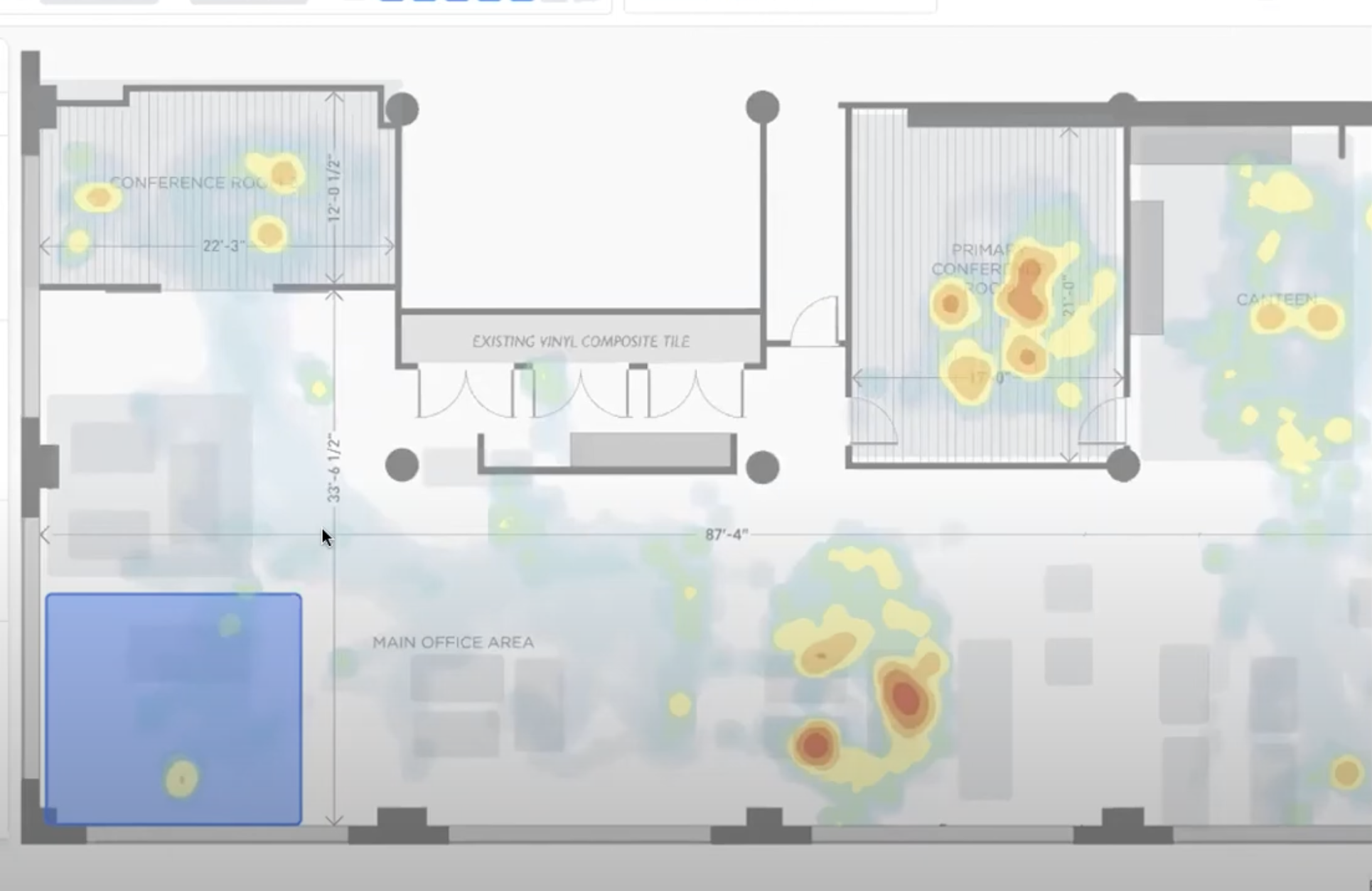
True space utilization goes beyond counting bodies. It captures patterns such as focus vs. collaboration behavior, duration of meeting room stays, circulation bottlenecks, and storage inefficiencies. If you want to learn how to make a stragic workplace click here
03 Turning Data Into Spatial Strategy
Data alone does not solve layout issues. Interpretation does. Common findings often include overbuilt conference rooms, underutilized private offices, and insufficient informal meeting zones.
Optimizing office layout for hybrid work frequently means shifting square footage away from static seating toward shared, flexible environments.
04 The Financial Impact of Getting It Wrong
Designing based on intuition carries measurable risk: oversized footprints, premature expansions, and inefficient renovations. Utilization data supports lease renewal negotiations and capital expenditure timing. If you are thinking about ergonomic furniture, learn how to calculate their ROI here
For operations leaders under budget scrutiny, data-driven planning protects credibility.
Ideal Timing for a Study
- ✔ Before lease renewal negotiations.
- ✔ Prior to expansion planning.
- ✔ During hybrid policy shifts.
- ✔ Ahead of renovation budgeting.
- ✔ After major organizational change.
Stop guessing. Start measuring.
Data does not eliminate risk, but it dramatically reduces it. Before committing to your next lease decision, let’s evaluate how your space is truly being used.