Investing in Employee Health and ROI
Ergonomic furniture is no longer a workplace luxury, it’s operational infrastructure. For workplace decision-makers balancing budget risk, employee wellness, and long-term ROI, ergonomics sits at the intersection of health strategy and capital planning.
Done right, it reduces discomfort, minimizes disruption, and supports sustained performance. Done poorly, it leads to complaints, retrofits, and costly change orders.
At a Glance:
- Who it’s for: HR, Facilities, Operations, Workplace Strategy leaders.
- Primary outcome: Reduced strain, improved comfort, fewer reactive fixes.
- Investment signal: Moderate upfront cost, strong long-term value.
- Risk if ignored: Increased turnover, workstation complaints, retrofits.
Step 1: Define What “Ergonomic” Actually Means
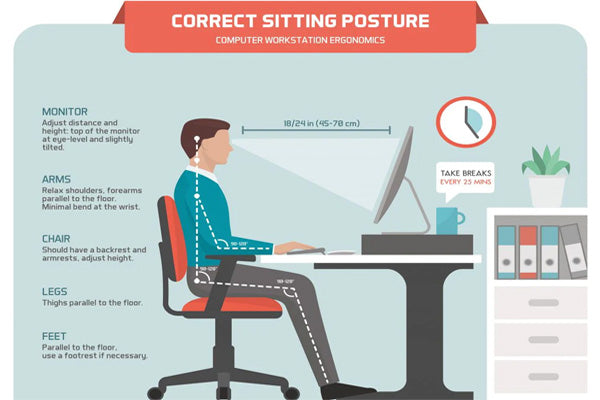
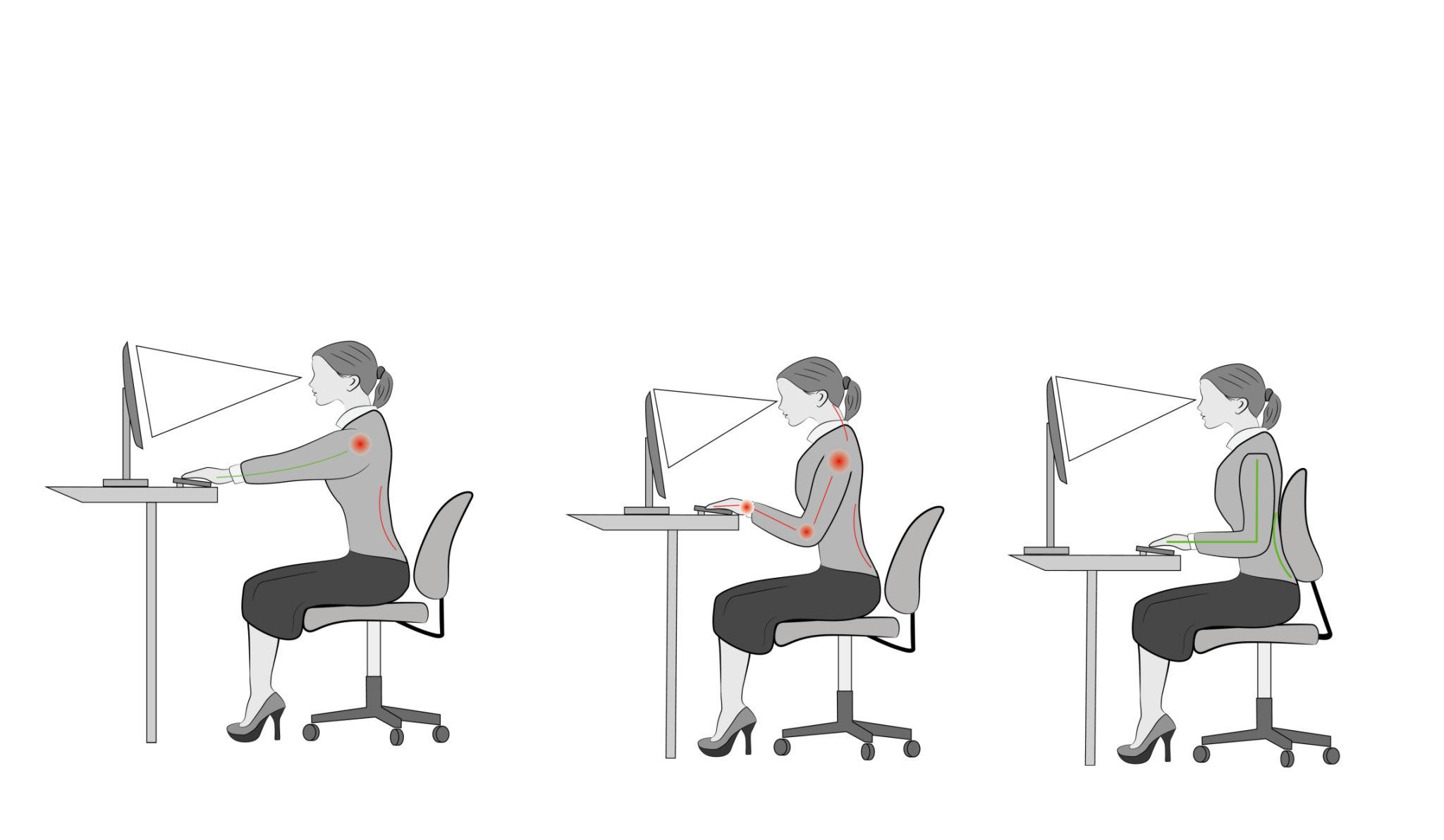
Not all adjustable furniture qualifies as ergonomic. True ergonomic furniture supports neutral spine posture, adjustable seat height/depth, dynamic lumbar support, armrest adjustability, and movement throughout the day.
The “best ergonomic chairs for back pain ROI” are not necessarily the most expensive, they’re the ones that adapt to a wide range of body types and tasks. Pitfall: Buying fixed-back chairs labeled “ergonomic” without verifying adjustability range.
Step 2: Think Beyond the Chair
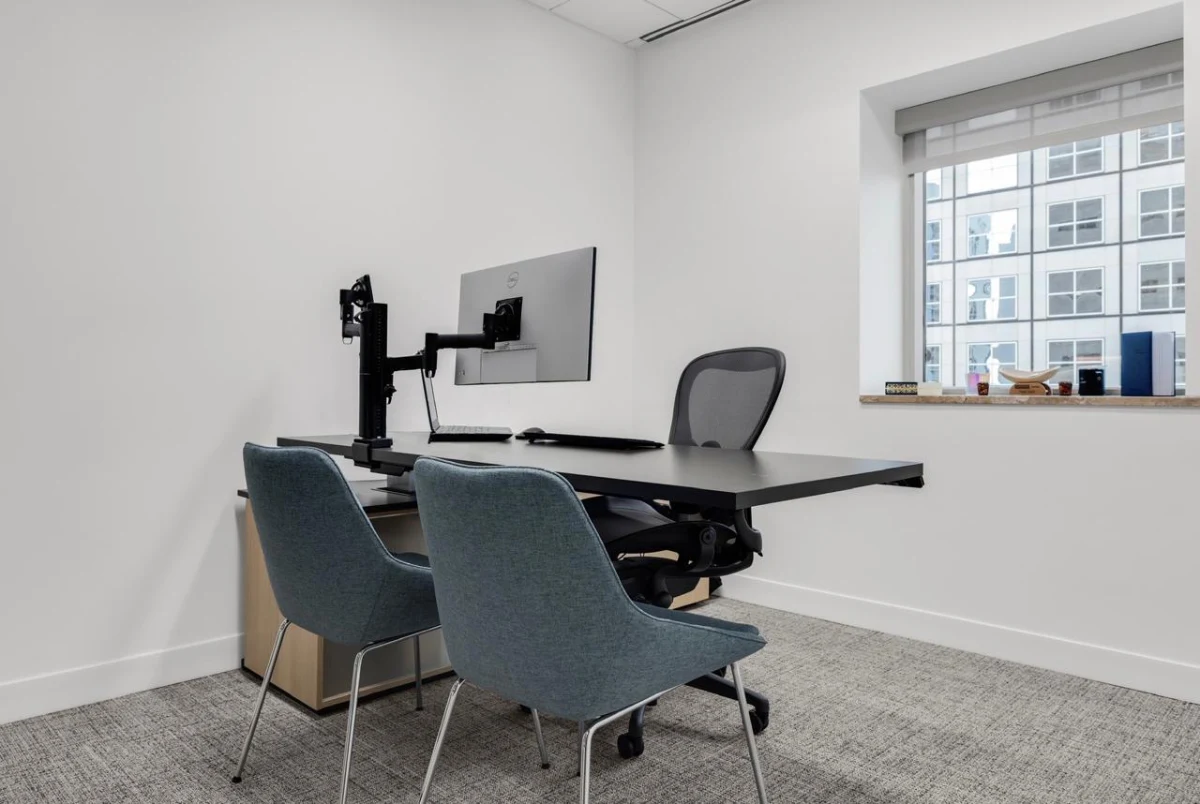
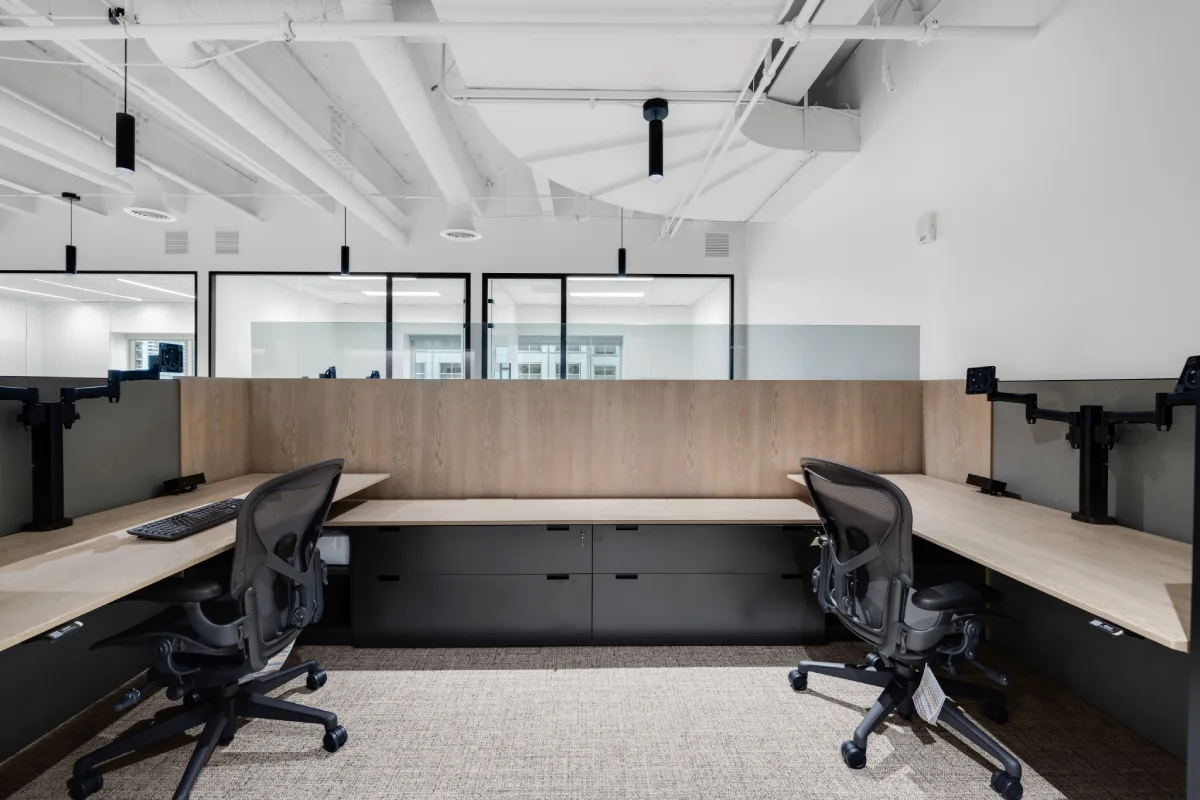
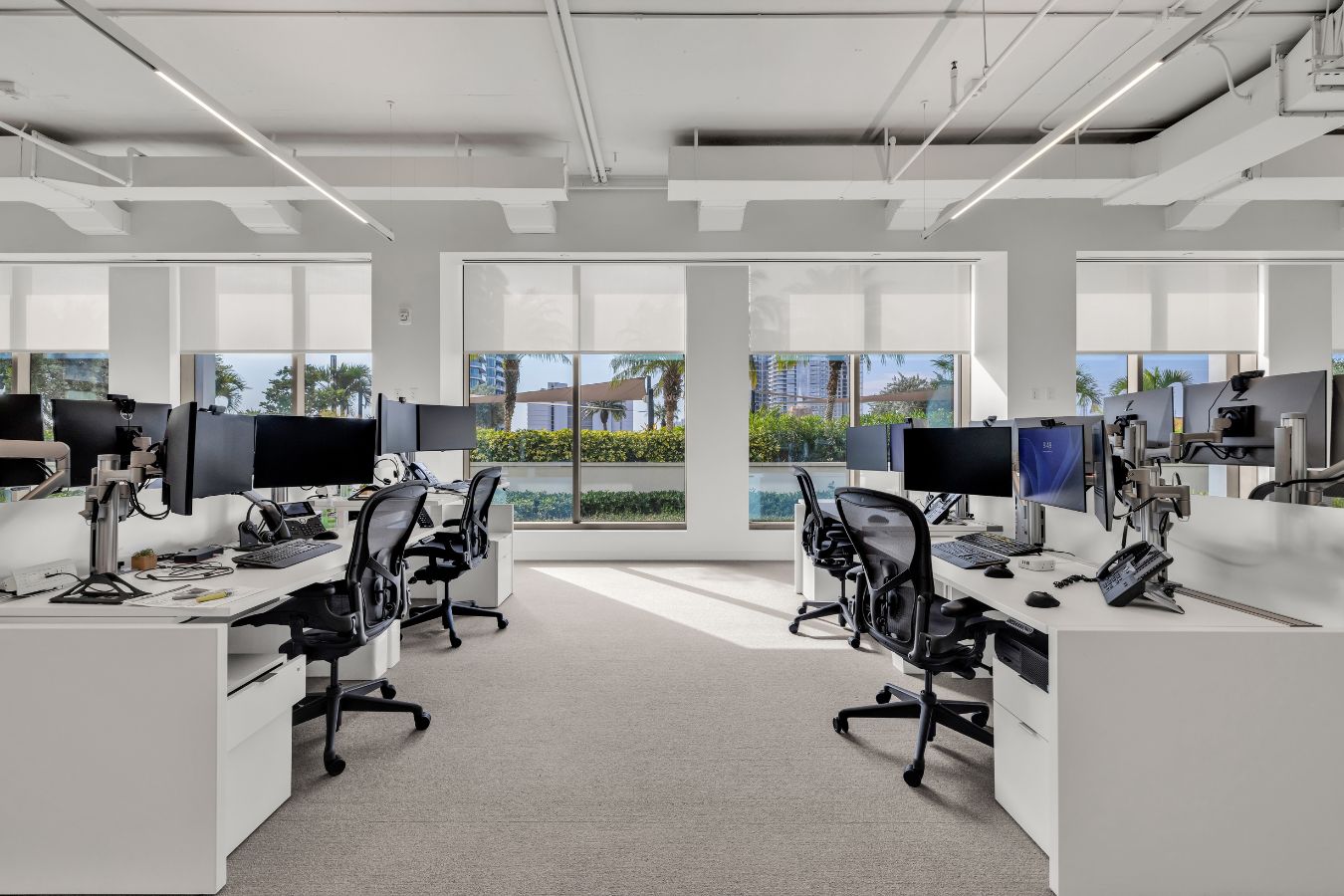
Chairs get the spotlight, but desks, monitor placement, keyboard height, and lighting all affect posture and strain. Key components include height-adjustable desks, monitor arms for screen alignment, and proper keyboard positioning.
A high-end chair paired with a fixed desk undermines the investment. Watch out for: Retrofitting after complaints arise. Plan the system holistically.
Step 3: Align Ergonomics With Hybrid Work
Hybrid work introduces variability. Employees rotate desks. Workstations are shared. Standardization becomes critical. This creates three operational priorities:
- Broad adjustability range.
- Intuitive controls.
- Quick-reset capability.
Step 4: Evaluate ROI Realistically
Ergonomic furniture ROI doesn’t show up as dramatic productivity spikes. It appears as risk mitigation. Return shows through reduced workstation modification requests, fewer discomfort complaints, and lower absenteeism risk.
Mini Case Vignette: A mid-sized corporate office standardized seating and introduced sit-stand desks. Within weeks, facilities reported a significant drop in adjustment tickets. The key success factor? Training on how to personalize the setup.
Checklist for Procurement Teams
- ✔ Minimum 10-year warranty on task seating.
- ✔ Independent lumbar adjustment.
- ✔ Adjustable seat pan depth.
- ✔ Height-adjustable arms.
- ✔ Weight capacity range that supports workforce diversity.
- ✔ Desk height range suitable for sitting and standing.
Long-Term Strategy: When treated as infrastructure rather than a perk, ergonomic furniture becomes a strategic asset integrated into onboarding, wellness initiatives, and ESG discussions.
Protect your people and your capital plan.
It’s not about chasing premium price tags, it’s about specifying adaptable systems that reduce risk. Get an ergonomic audit.