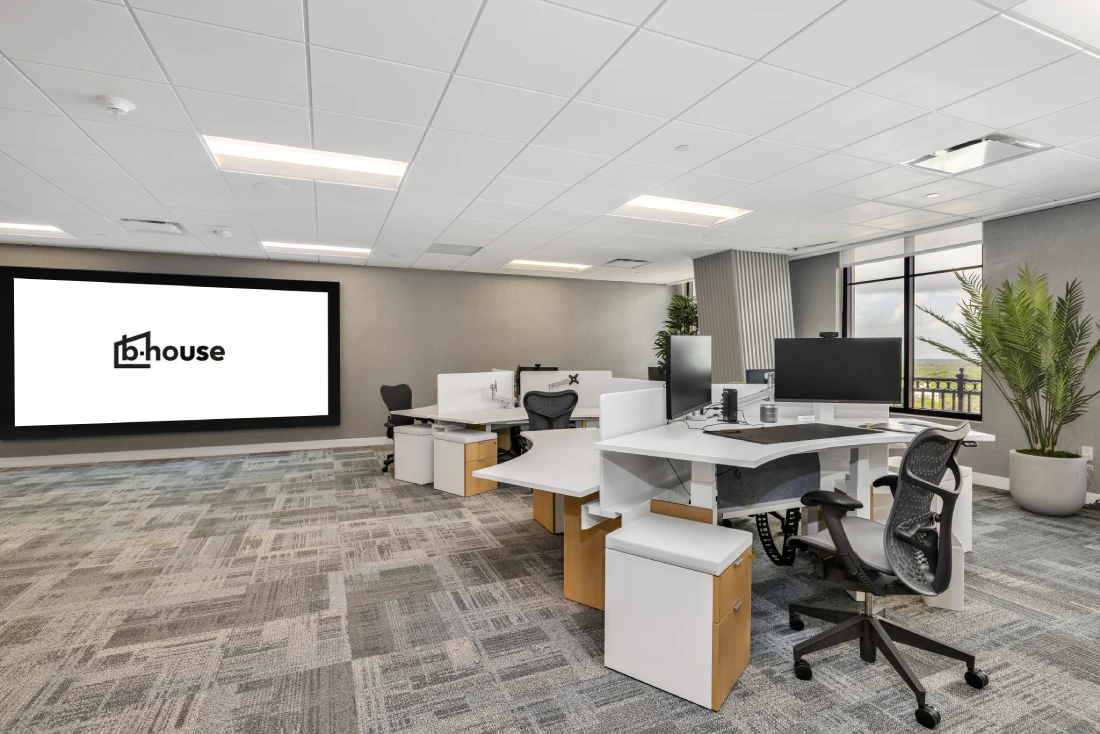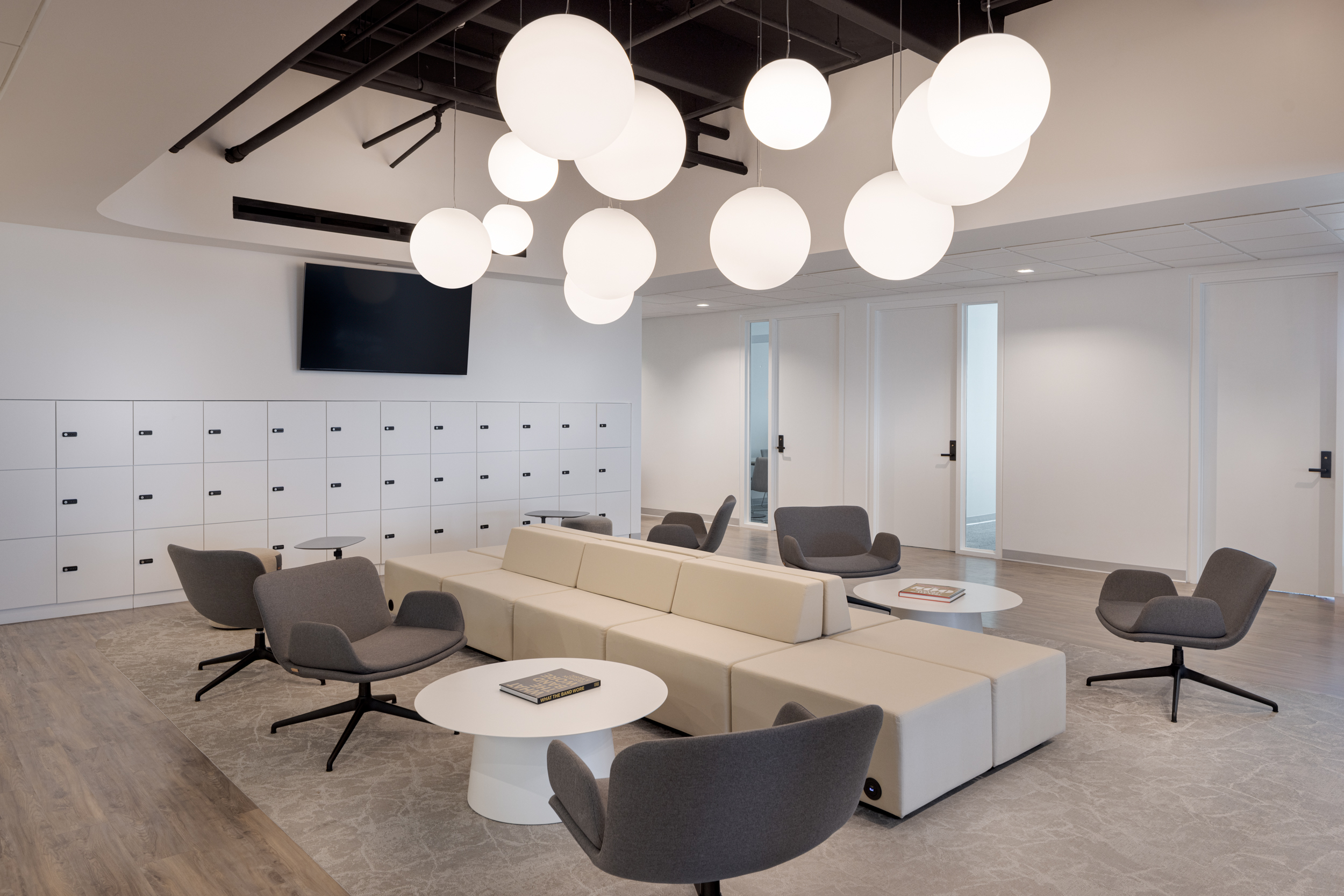
Sustainability in the workplace has long focused on materials, certifications, and energy performance. Yet one of the most critical dimensions of sustainability is often overlooked: people.
Ergonomic solutions are not just furniture upgrades, they are long-term investments in human sustainability.
If a workplace exhausts its people physically, it cannot claim to be sustainable. For sustainability-focused organizations, this reframing matters. ESG goals, retention pressures, and procurement constraints all intersect with how comfortably and effectively employees can work over time. Do you know how to calculate ROI of ergonomic furniture?
01 Sustainability Isn’t Just Environmental, It’s Human
We’ve become highly skilled at measuring carbon footprints and waste streams. But the human cost of poor design is harder to quantify, and often more expensive.
Discomfort leads to:
- Reduced focus and increased strain complaints.
- Reactive workstation modifications.
- Turnover risk and cultural disengagement.
02 The Shift From Static Efficiency to Dynamic Movement
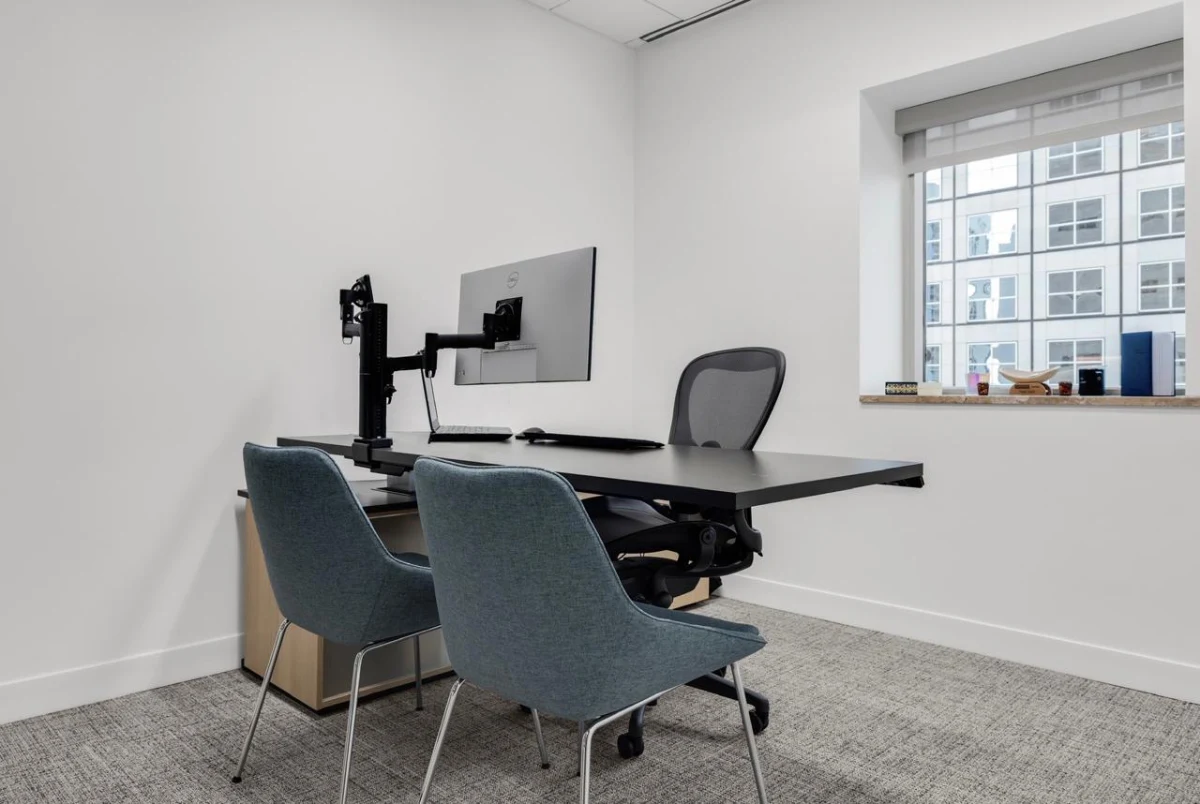
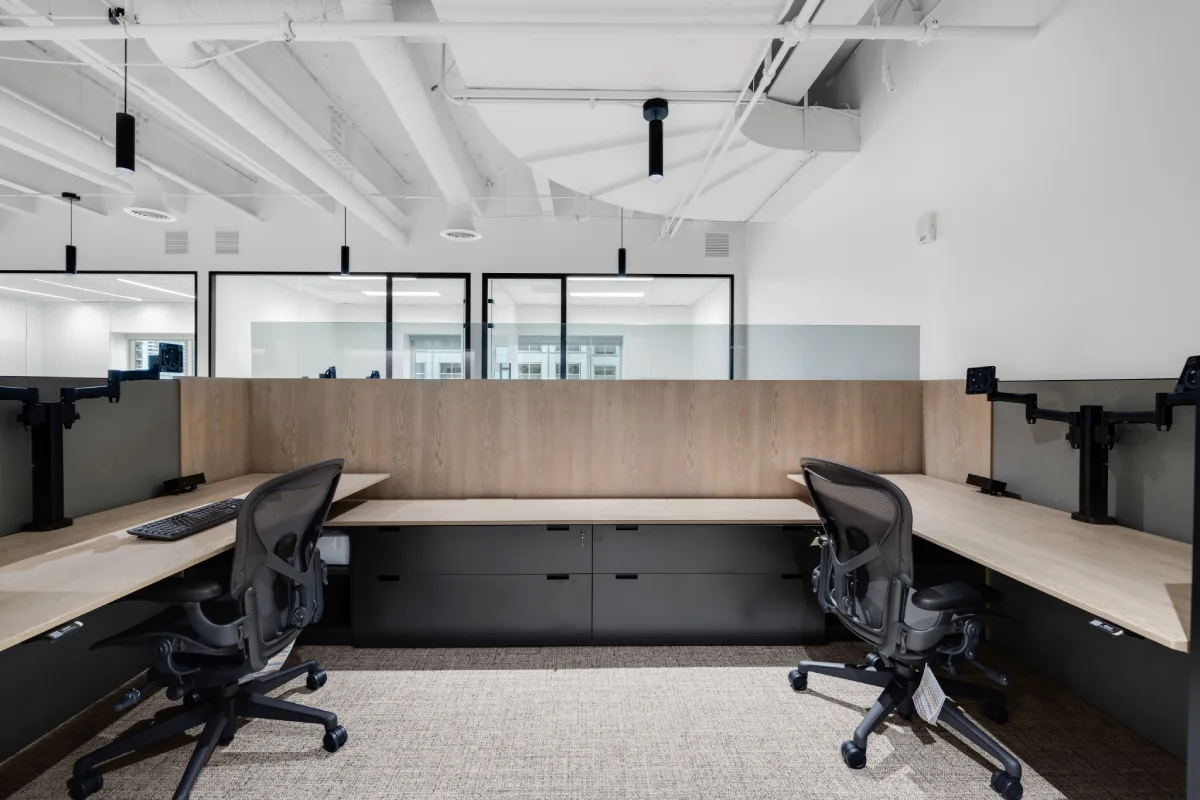
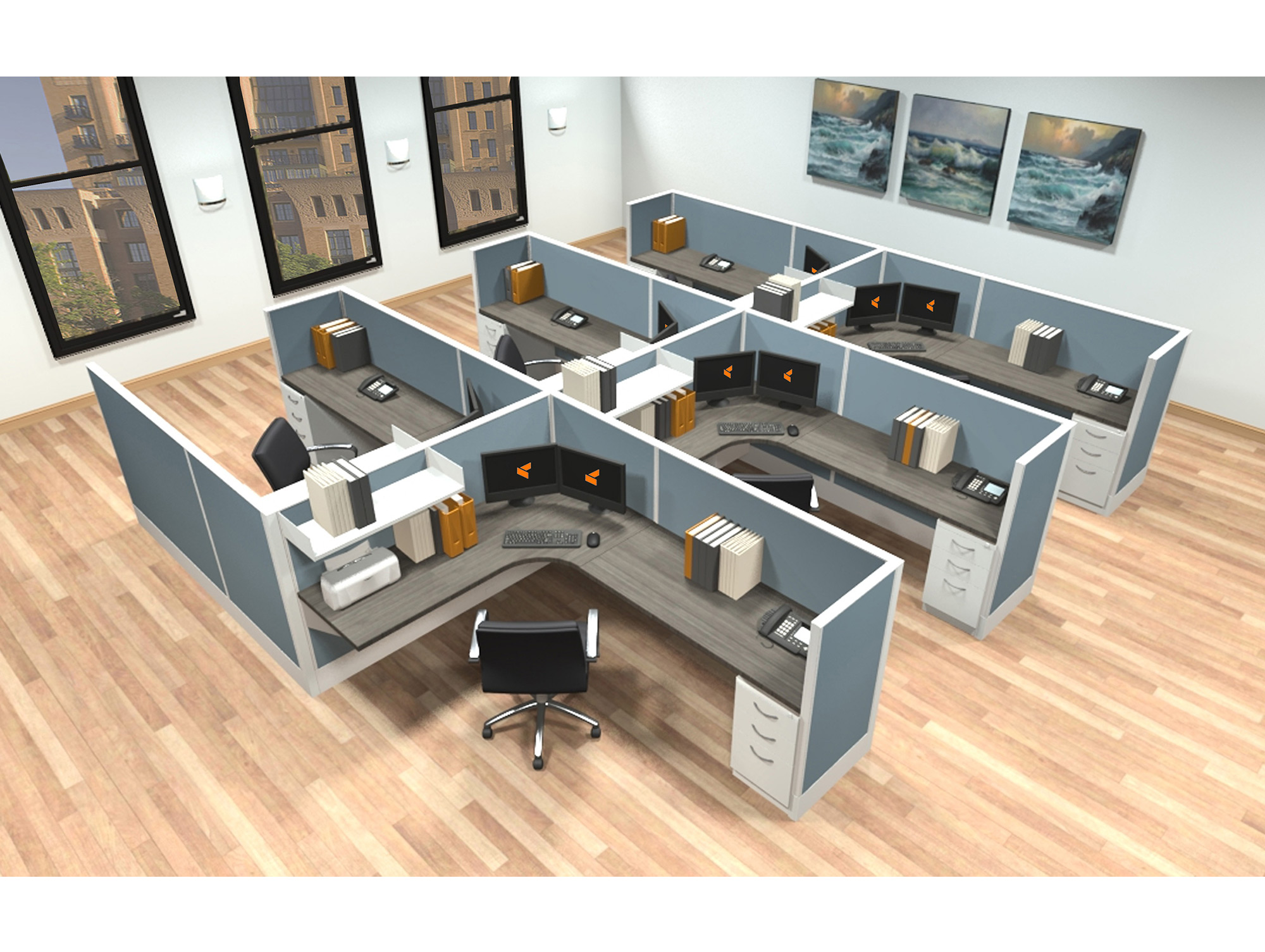
Traditional offices were optimized for density. Today’s sustainable workplaces recognize that movement is essential. Sit-stand desks, varied seating heights, and touchdown zones support natural posture changes.
The modern sustainable office is not static, it is adaptive.
03 Longevity Through Adaptability
There is a misconception that ergonomic systems are more expensive. But viewed through lifecycle strategy, adaptability prevents premature replacement.
Height-adjustable desks accommodate changing workforce demographics. Modular workstation systems evolve with team structures. Instead of replacing furniture every time a layout changes, organizations reconfigure.

04 Ergonomics as Cultural Infrastructure
When ergonomic solutions are standardized across an organization, they signal equity. They communicate:
- “We invest in your long-term health.”
- “Comfort is not a privilege.”
- “Wellness is operational, not performative.”
The 12–24 Month Outlook
- ✔ Human-centered metrics integrated into ESG reporting.
- ✔ Procurement teams prioritizing adjustability standards.
- ✔ Greater collaboration between sustainability officers and workplace strategists.
- ✔ Hybrid workplaces adopting ergonomic baselines.
Your people are your most valuable resource.
If your sustainability roadmap focuses only on materials, it’s incomplete. Let’s align ergonomic strategy with your environmental and human performance goals.