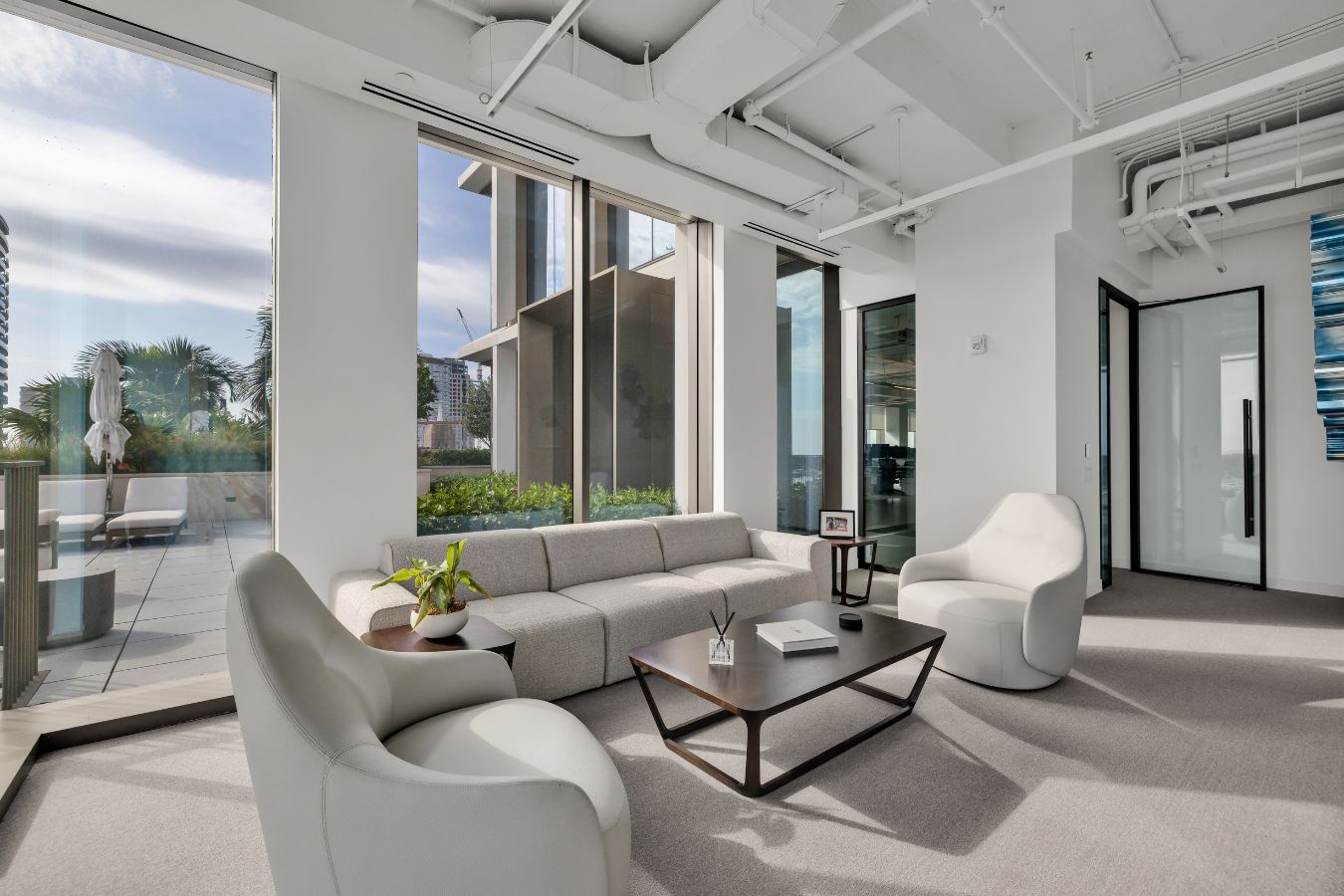
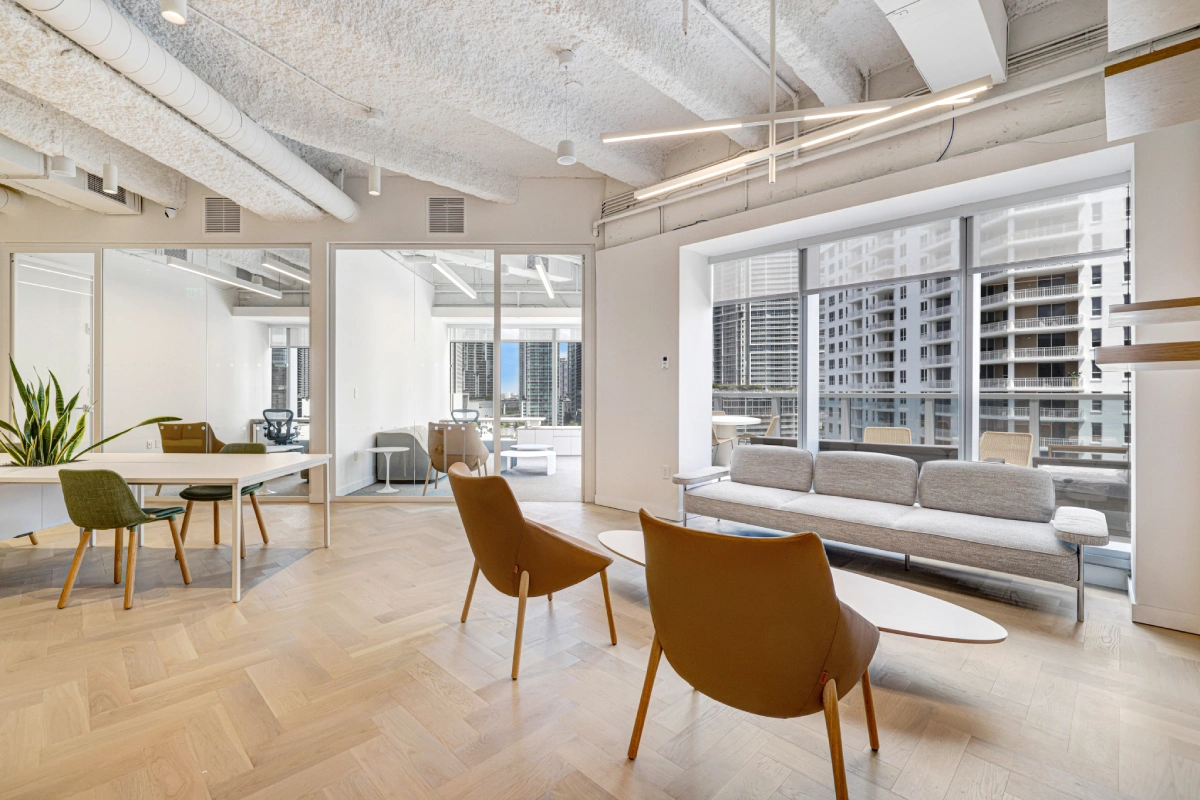
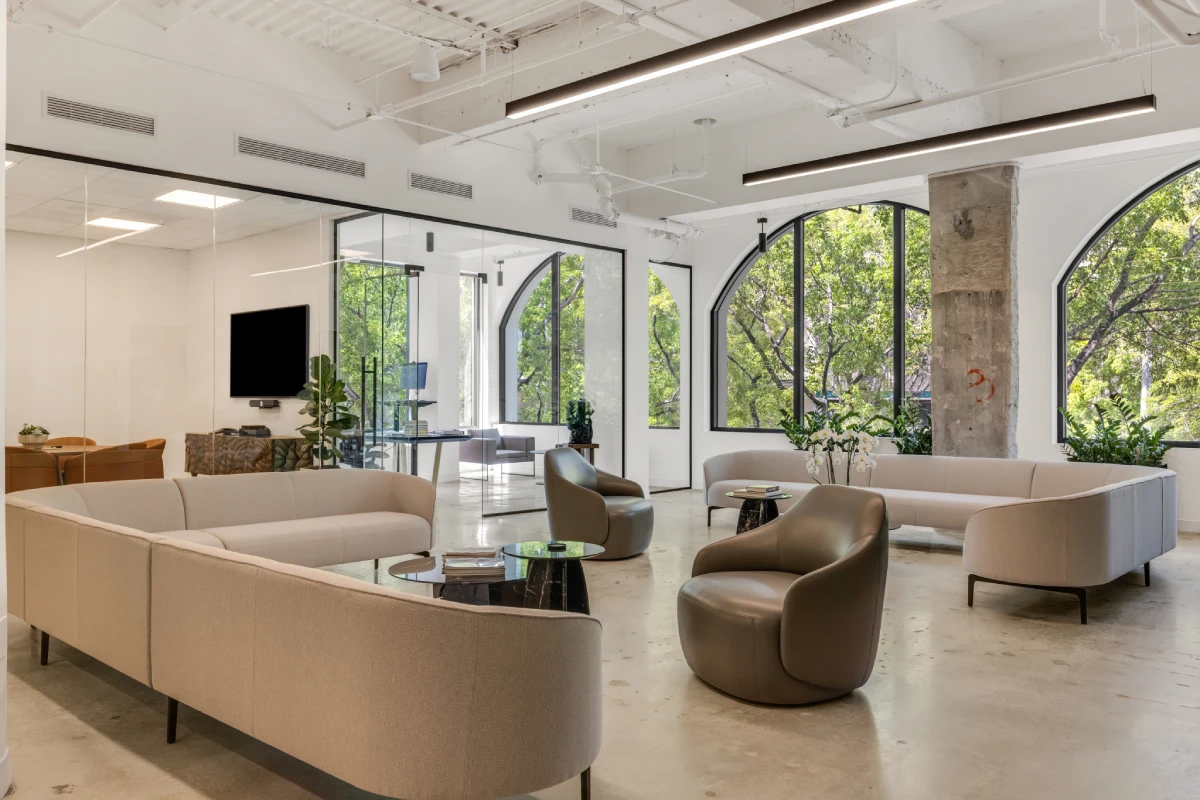
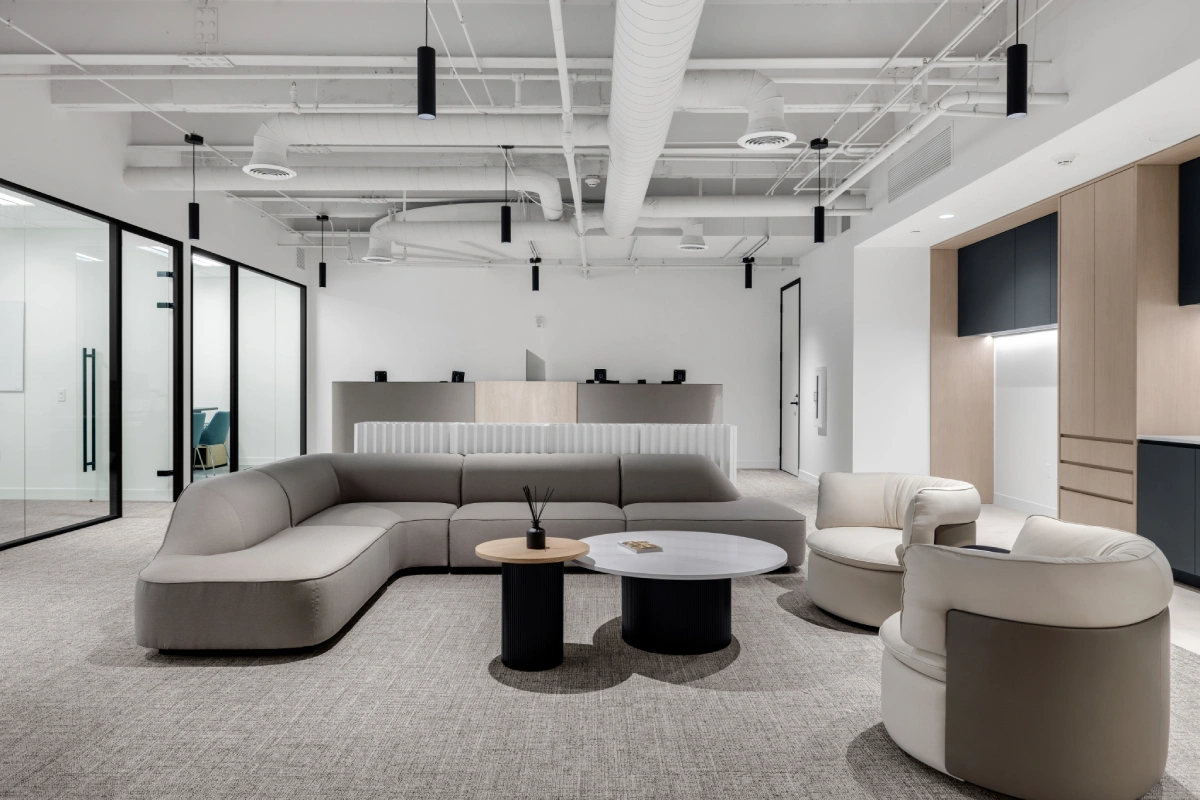
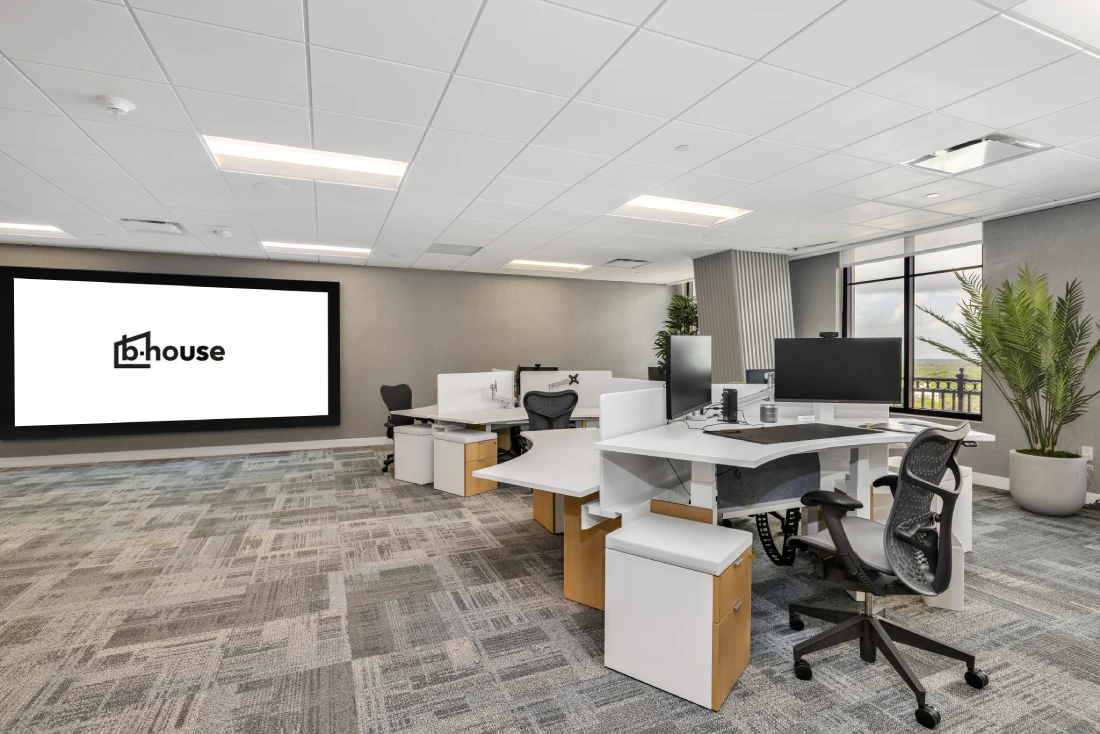
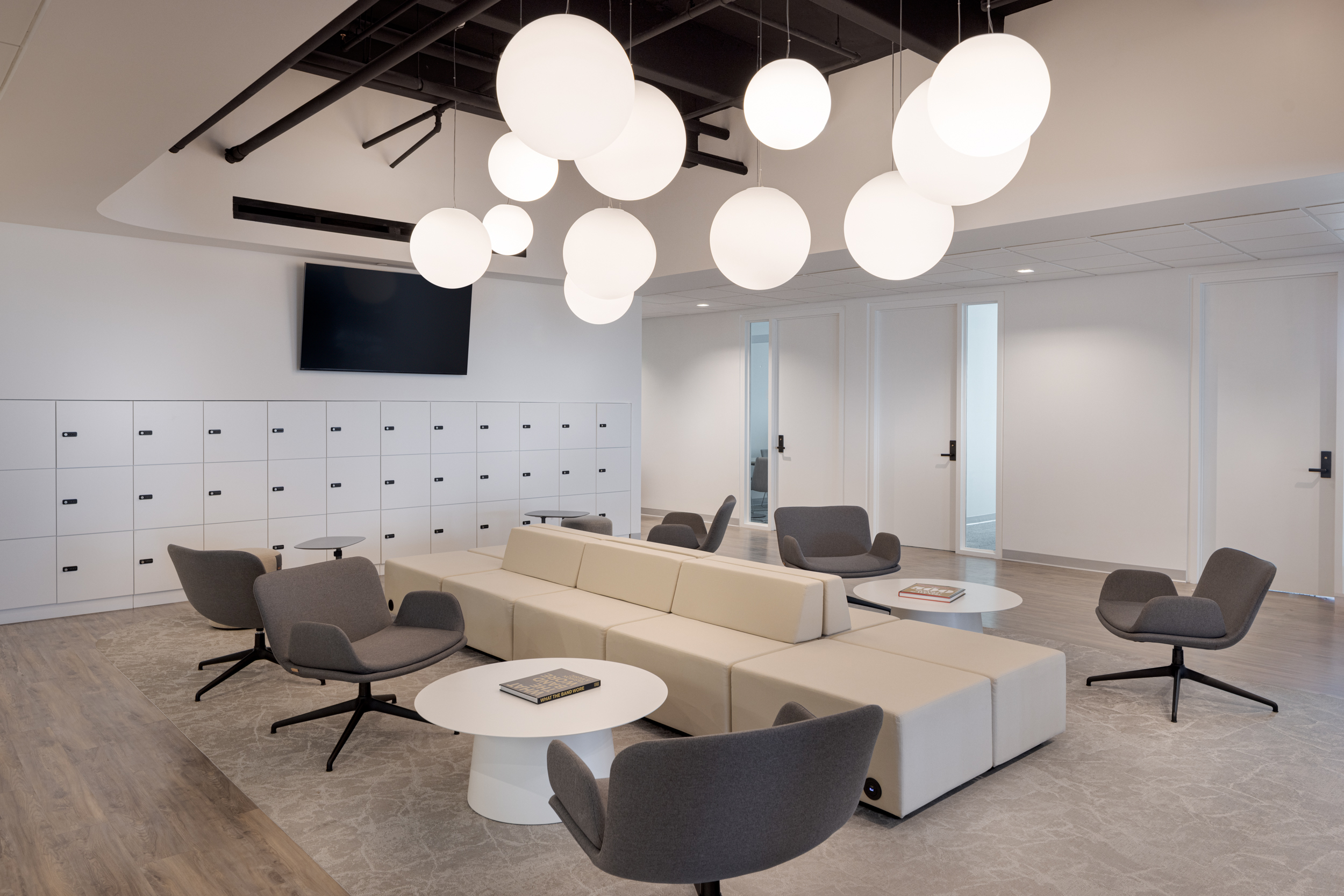
Every square foot tells a story, but most companies aren’t listening. That’s where occupancy planning comes in. It’s the discipline of understanding how people use space and aligning that insight with financial strategy, workplace design, and future growth.
In other words, occupancy planning helps you design smarter, spend less, and make every square foot count.
What Is Occupancy Planning, Really?
At its core, occupancy planning is the ongoing process of monitoring and optimizing how space is allocated and used. It’s part data science, part workplace psychology, and part financial strategy.
With hybrid work and real estate costs in flux, it’s become the bridge between design intent and operational reality.
Why It Matters Now
The post-2020 workplace is unpredictable. Attendance fluctuates. Headcounts shift. Departments merge. Static floor plans can’t keep up. Occupancy planning brings agility, enabling companies to cut unused space, forecast needs accurately, and make smarter lease decisions.
The Power of Data-Driven Design
Modern occupancy planning combines sensor data, booking systems, and analytics to map actual behavior, not assumptions. Learn What Data Do You Need to Plan Your Office Space Effectively? It reveals:
- Which zones sit empty throughout the day.
- When meeting rooms peak in demand.
- How hybrid patterns affect daily density.
Designers and operations teams then use these insights to adjust layouts, redistribute resources, and reprogram spaces based on real demand.
Long-Term Cost Reductions
Effective occupancy planning directly affects the bottom line. Here’s where the savings come from:
- Less wasted real estate: Shrinking the footprint of low-use zones.
- Reduced change-order costs: Data-based layouts prevent reactive redesigns.
- Higher employee satisfaction: Better-fit environments mean fewer moves.
- Smarter lease decisions: Insights guide when to renew, sublease, or expand.
Human-Centric Optimization
While data drives the process, people drive the results. The best occupancy strategies consider how employees feel in their environment, not just how much space they occupy.

For example:
- Quiet corners might outperform large collaboration hubs.
- Smaller “touchdown” desks may be more effective than assigned seating.
- Flexible lounges could double as event or client zones.
When data and empathy work together, you get design decisions that are both efficient and humane.
FAQs About Occupancy Planning
1. What’s the difference between space planning and occupancy planning?
Space planning is about layout design. Occupancy planning is ongoing, it measures how those layouts perform and evolve over time.
2. How often should occupancy data be reviewed?
Quarterly reviews are ideal. This cadence captures seasonal patterns while allowing regular optimization.
3. What tools are used for occupancy tracking?
Common tools include badge data, desk-booking software, and motion or environmental sensors integrated with space management platforms.
Final Takeaway
Occupancy planning isn’t about filling every seat, it’s about finding balance. The best workplaces don’t just look good on opening day; they perform beautifully over time.
In today’s agile economy, occupancy intelligence isn’t optional — it’s your competitive edge.